
July 22, 2026 | UW Chemical Engineering
Jorge Marchand, MolES faculty member and assistant professor in the Department of Chemical Engineering, has received the prestigious Maximizing Investigator’s Research Award (MIRA) from the National Institutes of Health (NIH). Designed to provide highly talented and promising investigators with stable funding, this five-year grant will support Dr. Marchand’s research on the biosynthesis, discovery and biocatalytic production of natural products. Read the full announcement.
Read More
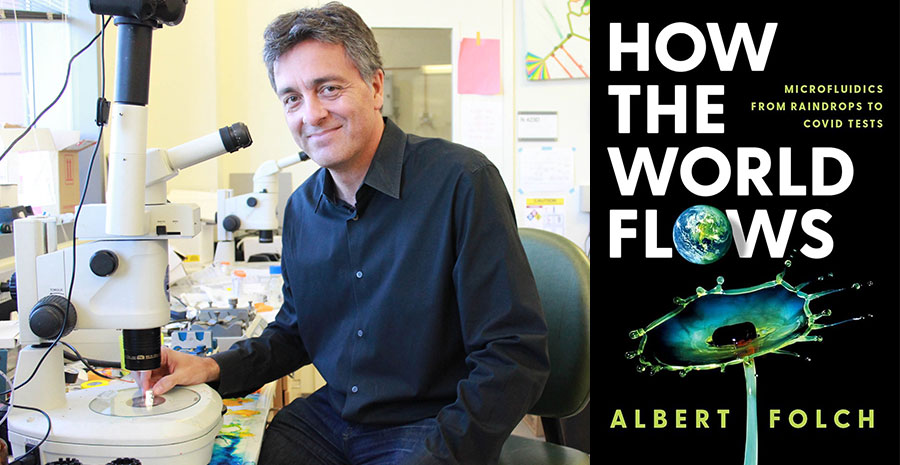
In his new book, “How the World Flows,” Albert Folch explores the miniature liquid networks that power natural phenomena, essential innovations and advanced biomedical devices.
Rainbows and rubber trees. Aquifers and fountain pens. Gauze pads and glucose strips. Candle wicks and carburetors. Pregnancy tests and 3D printers. Dialysis machines and DNA sequencers.
What’s the common denominator?
Each is enabled by microfluidics, miniature networks of liquids whose stable properties, at tiny scale, are essential to powering the natural world — and much of the manufactured world, too.
And each is explored in Albert Folch’s new book, “How the World Flows,” which invites readers to peer through the microscope into what he calls the “Lilliputian world of fluids at small scales.”
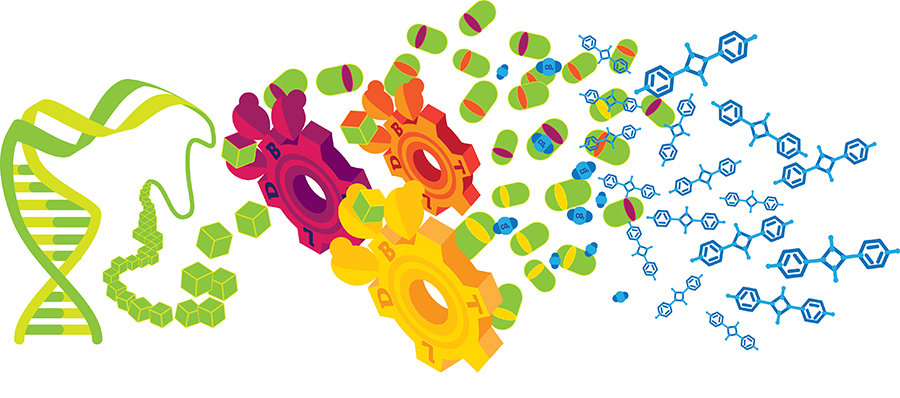
An interdisciplinary, UW-led team of synthetic biologists will embark on a 5-year, $15 million project to engineer microbial genomes that transform CO2 into high-value chemicals.
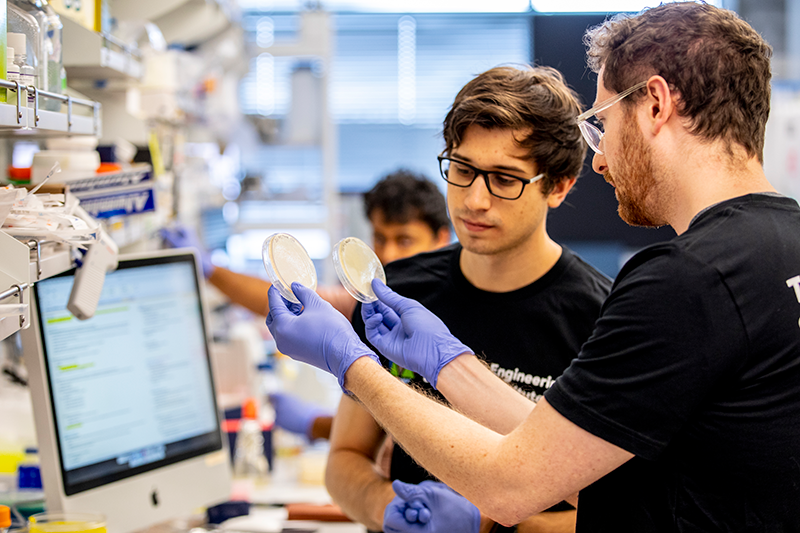
Two recent molecular engineering graduates launched a new startup, Wayfinder Biosciences, to commercialize their revolutionary platform to design RNA molecules that can be used to advance everything from sustainable biomanufacturing to targeted CRISPR therapies.
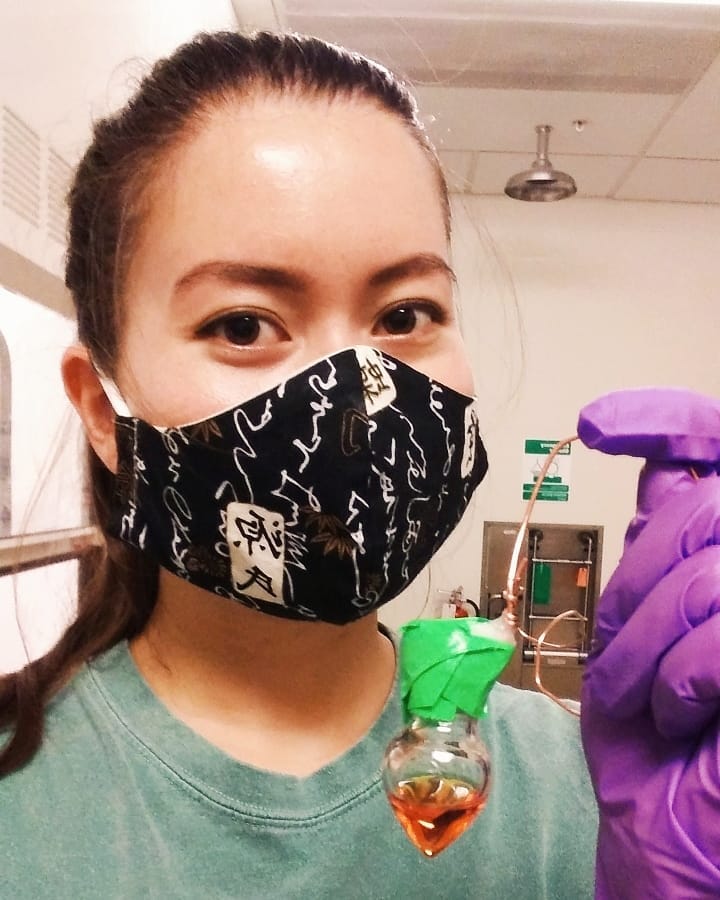
Ayumi Pottenger never planned to study engineering. Here, the third-year molecular engineering (MolE) Ph.D. student reflects on what drew her to the program and where she's headed next.
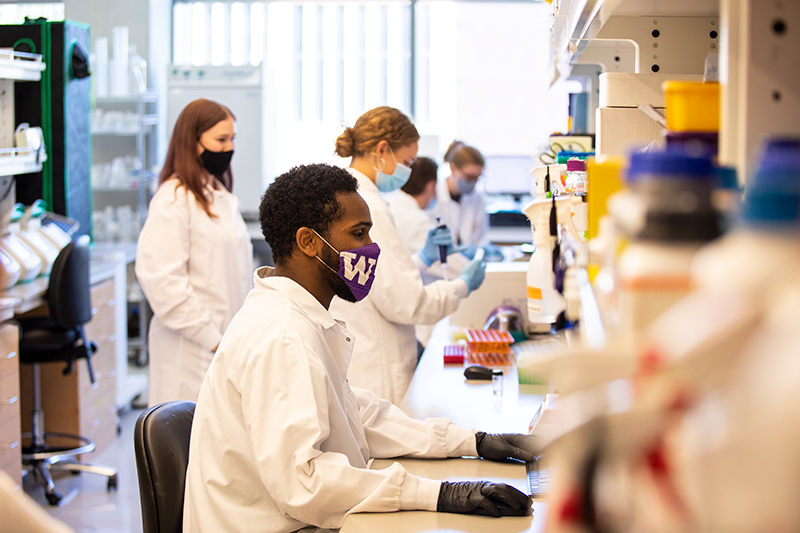
The UW's Biofabrication Center, a unique facility dedicated to enabling the rapid design, construction and testing of genetically reprogrammed organisms, is partnering with Agilent Technologies in pursuit of automated, reproducible research.
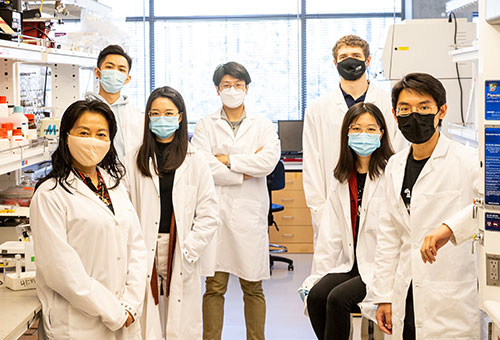
Miqin Zhang is working to improve cancer treatment with nanoparticles made from the same material found in crustacean shells.
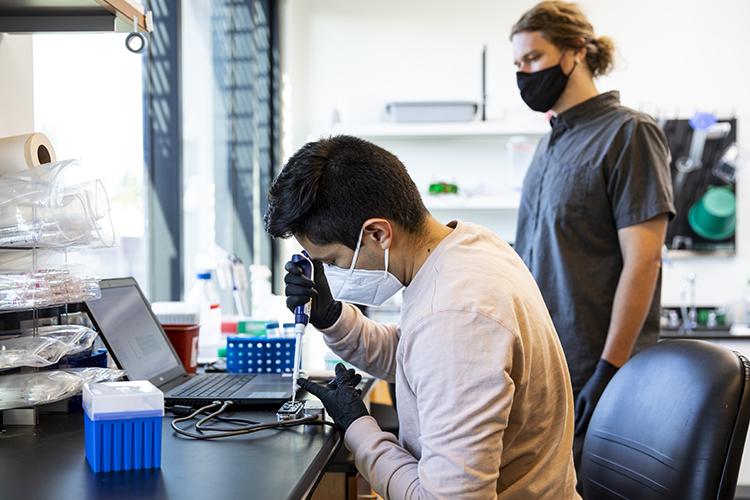
The research team, which includes MolE graduate student Nicolas Cardozo, introduce a new class of reporter proteins that can be directly read by a commercially available nanopore sensing device. The new system "• dubbed "Nanopore-addressable protein Tags Engineered as Reporters," also known as NanoporeTERs or NTERs for short "• can perform multiplexed detection of protein expression levels from bacterial and human cell cultures far beyond the capacity of existing techniques.

The funding will be used to develop scalable, cell-free platforms that enable the capture and conversion of carbon dioxide into industrial chemicals, providing manufacturers with a cheaper, more efficient and sustainable means of chemical production.
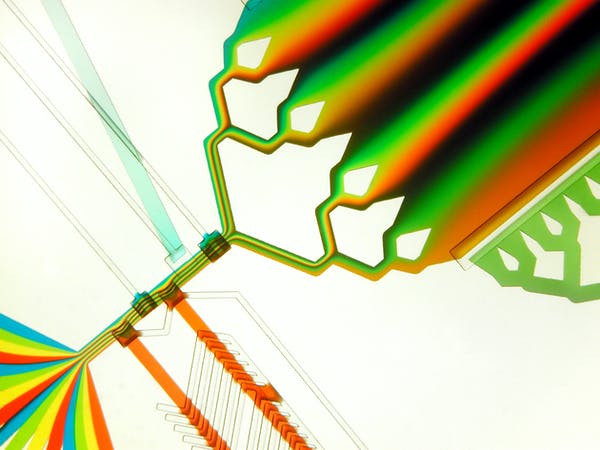
In this piece for The Conversation, bioengineering professor Albert Folch describes how microfluidic devices use the strange behavior of fluids in tiny spaces to impact medicine, science and the modern world.