
My work is focused on a number of areas, all related to systems at the molecular level. These include 1) Predictive models of disease, and microbial systems (particularly metabolism). 2) As director of a NIH reproducibility center we develop best practices for computational modeling focusing on reproducibility and model credibility; 3) Using control theory to understanding the operational logic of control in metabolic and signaling networks. Read More
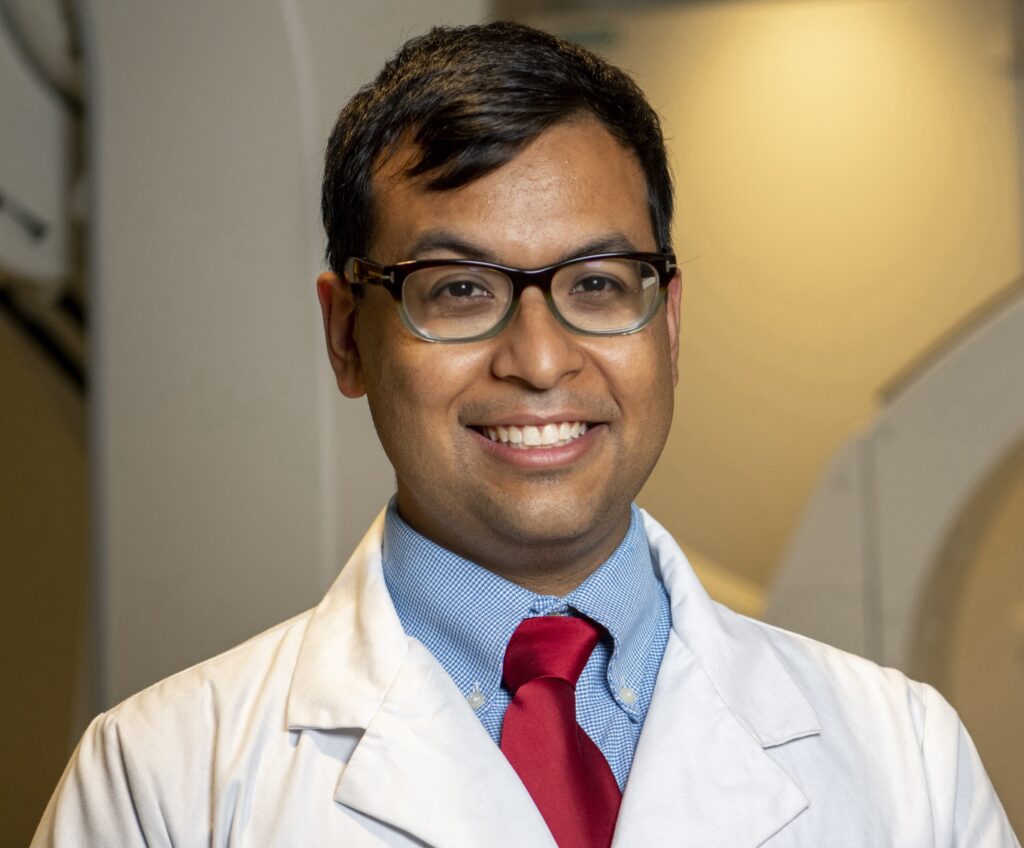
At SAIL, Dr. Som leads the translation of novel material science advances for applications in interventional radiology based on his clinical practice, with a focus on novel cancer therapeutics, tissue engineering, and device development. The goal of the lab is to generate new technologies inspired by the clinic and brought back to treat our patients. Read More
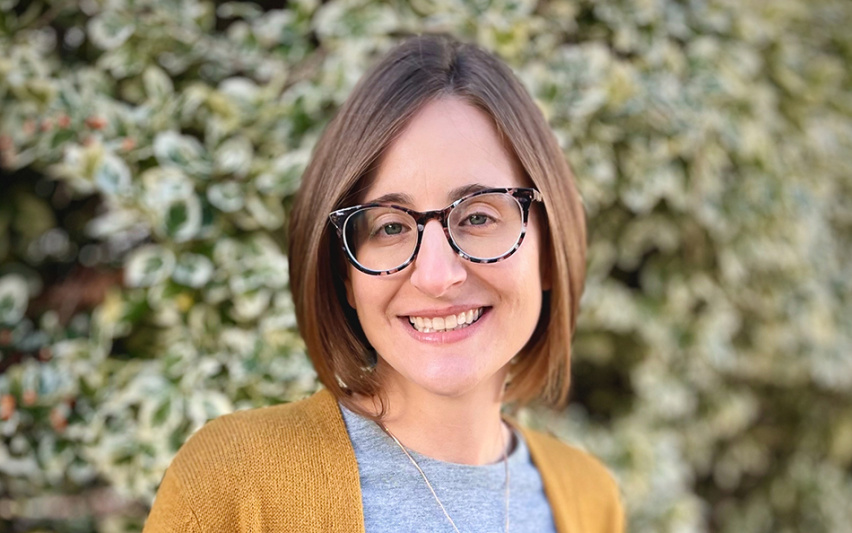
The Straehla Lab, located at Seattle Children’s Research Institute, focuses on accelerating the translation of drug delivery technologies for cancer therapy, with a special emphasis on using nanomedicines in cancers. Led by Dr. Joelle Straehla, a pediatric oncologist specializing in brain and spinal cord tumors, the lab operates at the intersection of nanotechnology and cancer biology. The lab’s primary objectives include 1) Designing and synthesizing new nanoparticle-based therapeutics 2) Identifying biologic regulators of nanoparticle drug delivery 3) Improving the delivery of therapeutic agents across challenging tissue barriers and 4) Developing strategies to selectively remodel the tumor microenvironment. Read More
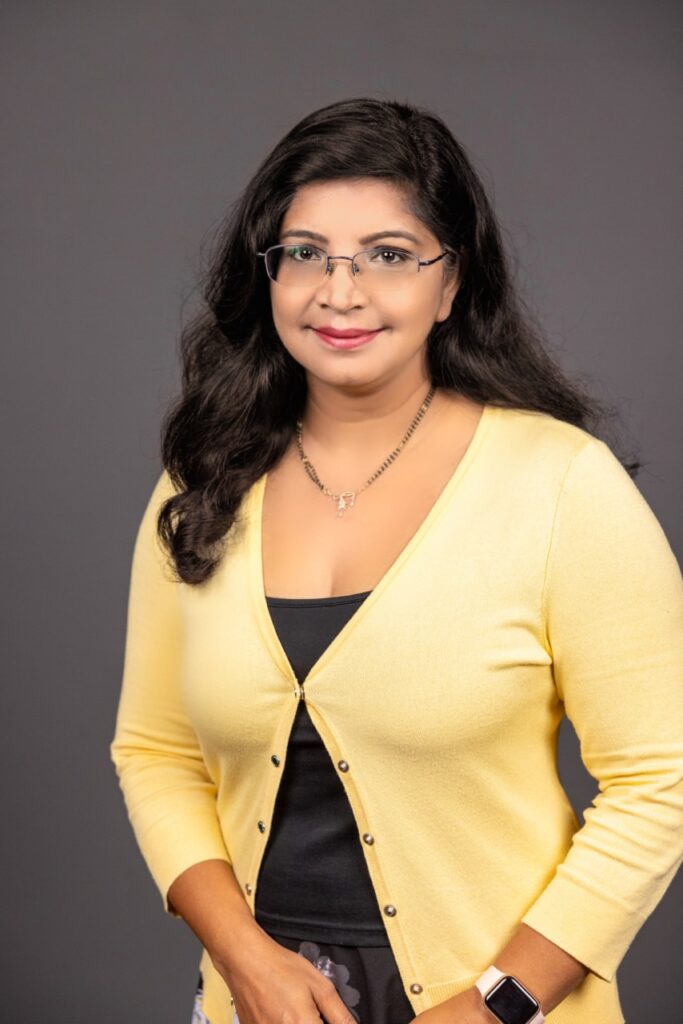
Our lab focuses on developing innovative therapeutic strategies to address the high mortality associated with solid tumors (lung cancer, ovarian cancer, and melanoma). A significant proportion of patients are diagnosed at metastatic stages, where conventional therapies often fail due to resistance mechanisms and an immunosuppressive tumor microenvironment. To overcome these challenges, our research aims to transform the tumor microenvironment to enhance responsiveness to immunotherapy. We are particularly interested in synthetic cellular engineering approaches that enable precise modulation of immune responses. Our current efforts center on:
Engineering mesenchymal stem cells (MSCs) as delivery vehicles for immunomodulatory agents. Read More
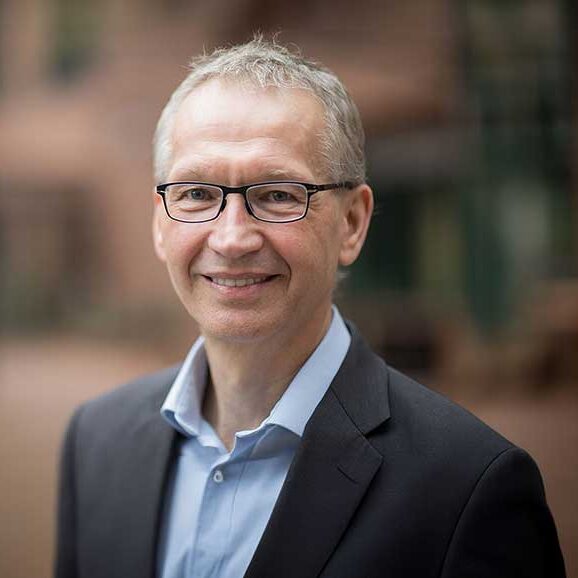
The Kiem Lab studies cell and gene therapy with a particular interest in the biology of blood and marrow stem cells and the development and use of novel gene therapy and genome editing technologies for ex vivo and in vivo applications. The overall goal is to develop better stem cell transplantation and cell and gene therapy treatments for patients with genetic, infectious, and malignant diseases. Read More
The Kane Lab studies frailty, as a quantitative measure of heterogeneity in health in aging. We are interested in identifying biological determinants of frailty in order to understand more about the molecular underpinnings of frailty and aging, to develop predictive biomarkers of frailty, and to identify targets to delay or prevent frailty. We use a combination of physiological, molecular and computational techniques across mouse models and human datasets. In particualar, we develop and analyze epigenetic, transcriptomic, metabolic, microbiome and functional/physiological data, and use machine learning and AI approaches to identify frailty markers and mechanisms. Read More
My group focuses on integrating bio-inspired molecules and materials, advanced manufacturing strategies, and computational algorithms into bio-electronic and bio-optical platforms. Our primary goals are to advance minimally-invasive diagnostic and therapeutic methods, as well as to promote pharmaceutical and environmental sustainability. Read More

My research background has been in the development of tools for ‘genome writing’ in mammalian cells. This involved the bottom-up synthesis and site-specific delivery of large (>100kb) DNA constructs, which facilitates multiplex editing over large genomic windows and the introduction of large amounts of novel genetic information. Subsequently, I have advanced techniques for the multiplexed generation and single-cell analysis of large structural variants including extrachromosomal circular DNAs (ecDNAs) in mammalian genomes. In January 2024, I established my lab at the University of Washington and the Seattle Hub for Synthetic Biology with the support of an NIH DP5 Early Independence Award. Read More
As climate change increases the stress on an aging water and sanitation infrastructure, waterborne pathogens pose an emerging risk to public health. The global spread of antimicrobial resistance further compounds this threat and will severely limit our ability to treat life-threatening infections. The Fuhrmeister Group builds next-generation biosensing tools (e.g., nucleic acid detection and sequencing methods) to better understand the prevalence and transmission of these microbial threats. Projects in our group are range from fundamental to applied, domestic to international, and from the lab to the field. Read More
The Tissue and Regenerative Engineering (TARE) Lab aims to understand the cues needed to promote connective tissue regeneration after injury with a focus on sex differences in this process. Specifically, we engineer biomaterials aimed to elucidate how immune, progenitor, and differentiated cells from male and female musculoskeletal tissues differentially respond to sex hormones and the structural and mechanical cues from the extracellular matrix. This physiological information is used to develop biomaterial scaffolds engineered to promote sex-specific regeneration. Read More