
Three UW researchers, including MolES faculty member Eleftheria Roumeli, are exploring ways to make electronics more Earth-friendly.
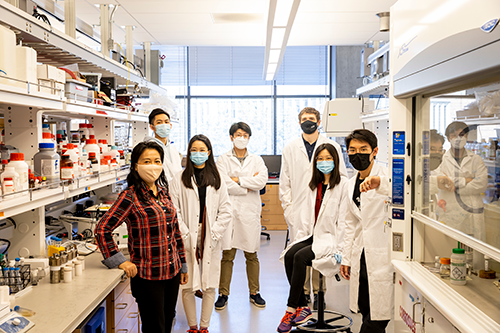
Scientists at the University of Washington have recently developed a new nanoparticle-based drug delivery system that simultaneously delivers chemo- and immune- therapeutics directly to the tumor site, limiting harmful off-target side effects. In a paper published last November in Materials Today, they reported that their multifunctional nanoparticle can inhibit tumor growth and spread, also known as metastasis, in mouse models of triple negative breast cancer, an exceptionally aggressive form of breast cancer with limited treatment options.

Corie L. Cobb, professor of mechanical engineering and the Washington Research Foundation Innovation Professor in Clean Energy, has been selected as recipient of the prestigious Defense Advanced Research Projects Agency (DARPA) Director's Fellowship Award.
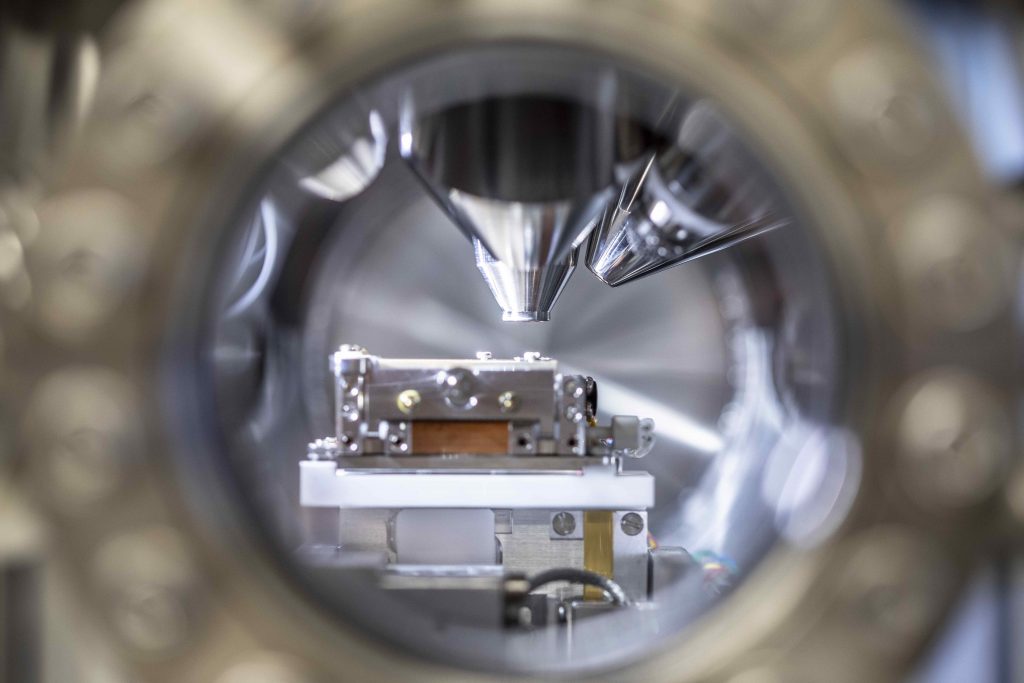
To support the use of nanotechnology tools to develop innovative, new technologies, the Northwest Nanotechnology Infrastructure (NNI) is offering seed grants for work to be conducted in our fabrication or characterization facilities. These grants are designed to help users build and characterize prototypes, obtain preliminary results and conduct proof of concept studies.

Six researchers affiliated with the Molecular Engineering & Sciences Institute are among the most influential in the world, according to the annual Highly Cited Researchers list published by the Web of Science, the world's largest publisher-neutral citation index.
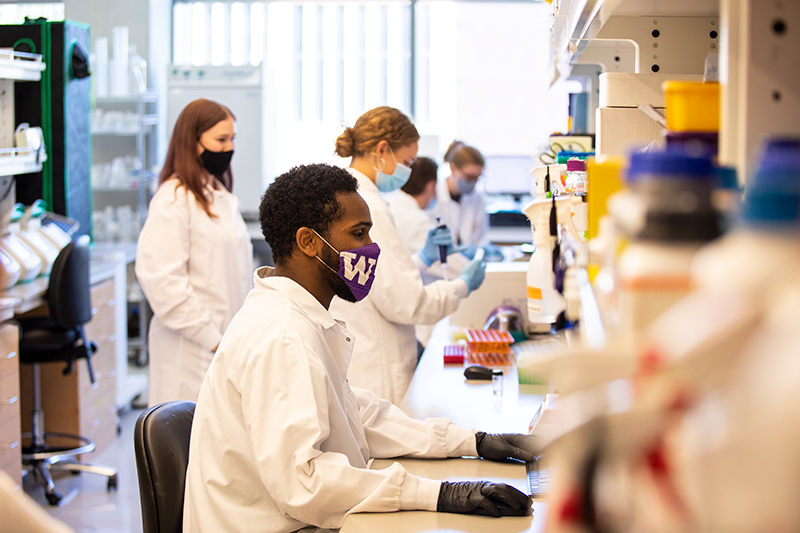
The UW's Biofabrication Center, a unique facility dedicated to enabling the rapid design, construction and testing of genetically reprogrammed organisms, is partnering with Agilent Technologies in pursuit of automated, reproducible research.
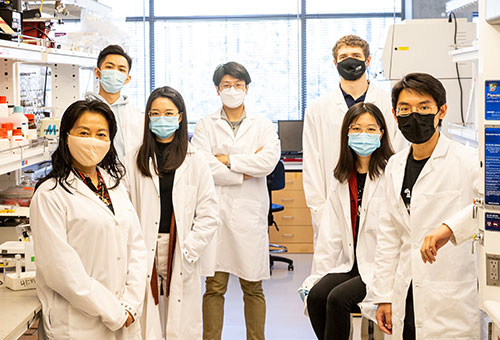
Miqin Zhang is working to improve cancer treatment with nanoparticles made from the same material found in crustacean shells.
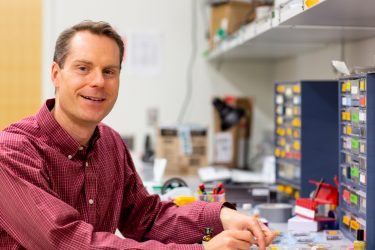
The National Science Foundation has announced it will fund a new endeavor to bring atomic-level precision to the devices and technologies that underpin much of modern life, and will transform fields like information technology in the decades to come. The five-year, $25 million Science and Technology Center grant will found the Center for Integration of Modern Optoelectronic Materials on Demand "” or IMOD "” a collaboration of scientists and engineers at 11 universities led by the University of Washington.
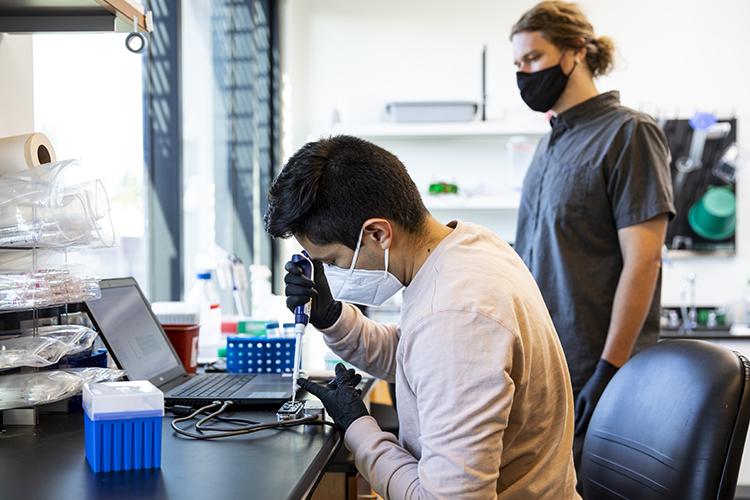
The research team, which includes MolE graduate student Nicolas Cardozo, introduce a new class of reporter proteins that can be directly read by a commercially available nanopore sensing device. The new system "• dubbed "Nanopore-addressable protein Tags Engineered as Reporters," also known as NanoporeTERs or NTERs for short "• can perform multiplexed detection of protein expression levels from bacterial and human cell cultures far beyond the capacity of existing techniques.

The funding will be used to develop scalable, cell-free platforms that enable the capture and conversion of carbon dioxide into industrial chemicals, providing manufacturers with a cheaper, more efficient and sustainable means of chemical production.