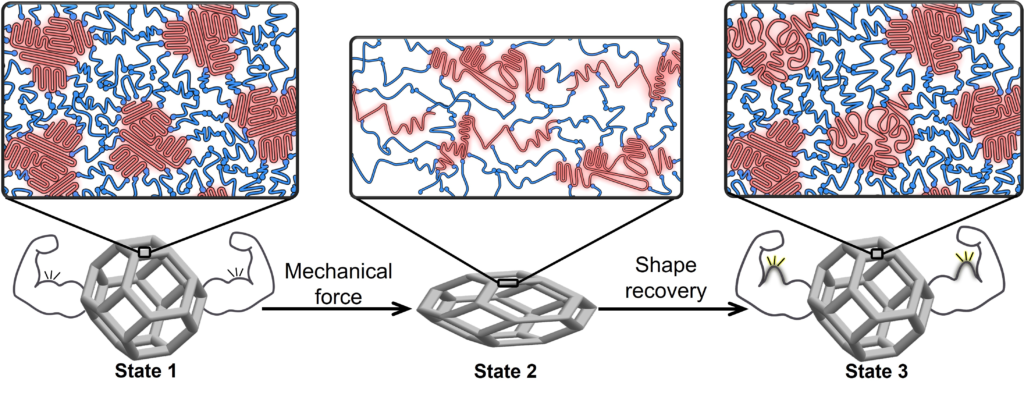
Imagine a material that can be stretched and pulled out of shape that not only returns to its original shape but also grows stiffer and stronger each time. University of Washington researchers have developed a new “strain learning” metamaterial. Inspired by how nature strengthens materials—like how bones repair themselves or how spider silk becomes stronger when stressed—this innovation could significantly impact industries that rely on durable, adaptable materials, especially medicine. Their work, “Strain learning in protein-based mechanical metamaterials,” has been published in the Proceedings of the National Academy of Sciences of the United States of America (PNAS).
Medicine will lead one of the seven new centers in a network funded by the National Institute of Allergy and Infectious Diseases (NIAID) to prepare against a variety of dangerous pathogens. NIAID is part of the National Institutes of Health. The center will receive $13.6 million a year for three years.
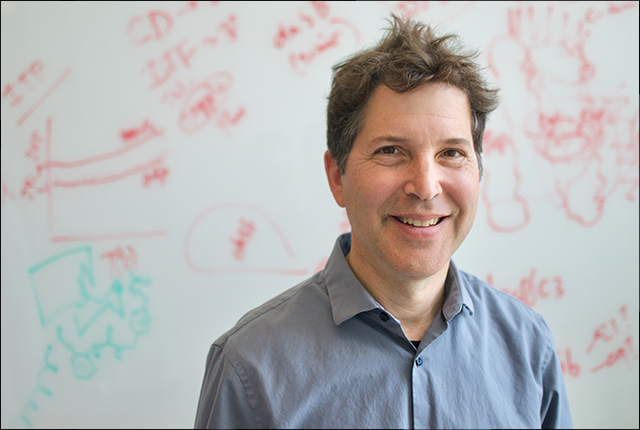
Computational biologist David Baker, professor of biochemistry at the University of Washington School of Medicine, director of the UW Medicine Institute for Protein Design, and member of the Molecular Engineering and Science Institute, has been awarded the 2024 Nobel Prize in Chemistry for computational protein design.
He shares the Nobel Prize with Demis Hassabis and John M. Jumper of DeepMind, who were honored for protein structure prediction.
The award, announced today, Oct. 9, by the Royal Swedish Academy of Sciences, will be presented in a ceremony Dec. Read More
The University of Washington Molecular Engineering and Science (MolES) Institute established its first scientific advisory council. The council will advise the MolES leadership on strategic areas of opportunity as the Institute strives toward its mission to foster scientific exchanges and new collaborations among MolES members, the wider UW research community, and industry leaders from biotech and cleantech.
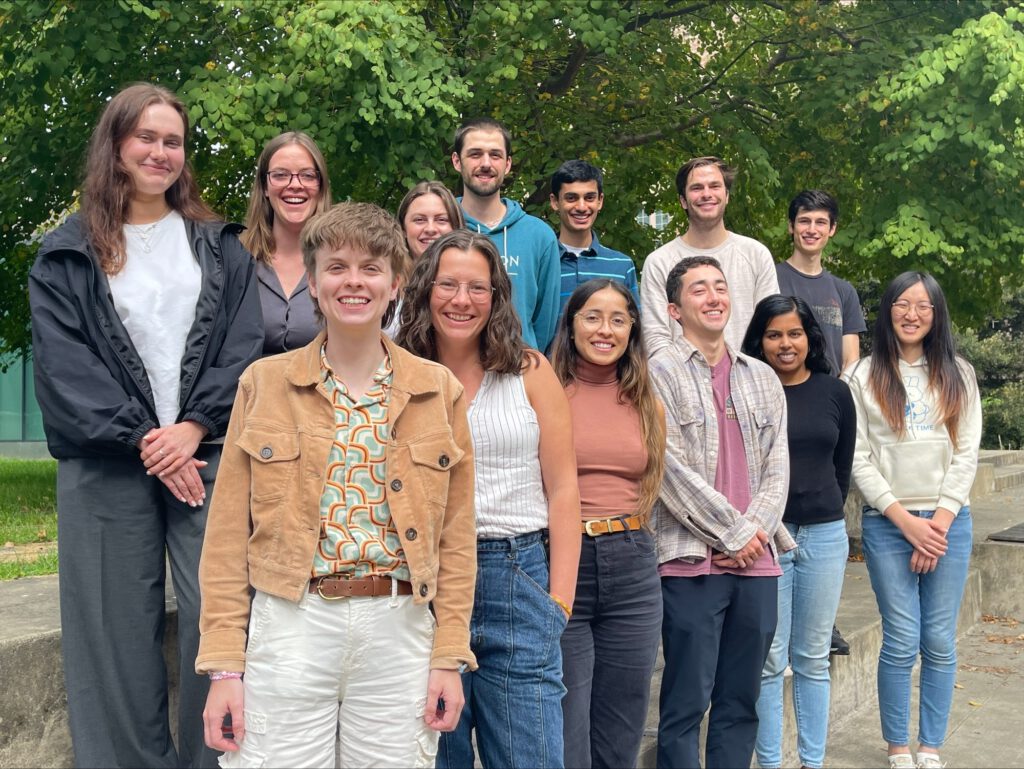
The Molecular Engineering and Science Institute (MolES) is excited to introduce the newest cohort of Ph.D. candidates to the Molecular Engineering program. Their pioneering research, which spans diverse fields such as advanced drug delivery systems and sustainable material innovation, has the potential to revolutionize industries and tackle some of the most urgent global challenges. Get to know our 13 new students.
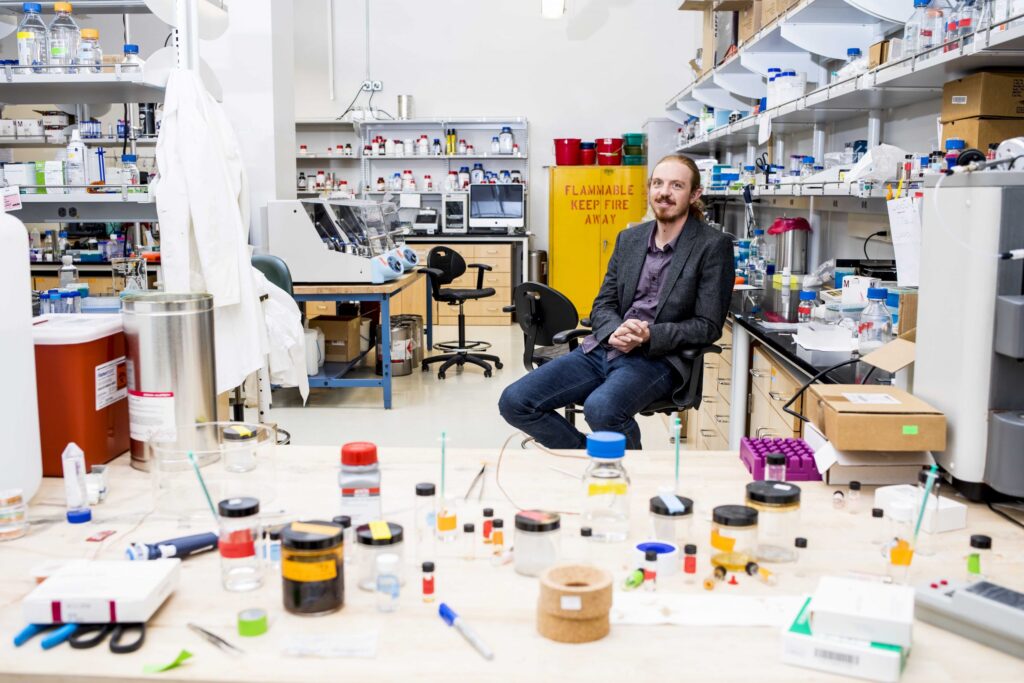
Cole DeForest, Weyerhaeuser Endowed Professor and associate chair for graduate studies in chemical engineering, has been appointed Director of Education at the Molecular Engineering and Sciences Institute (MolES). DeForest succeeds Alshakim Nelson, NIST Faculty Fellow and professor of chemistry. DeForest will lead the Molecular Engineering (MolE) Ph.D. Program, an interdisciplinary graduate program housed in the UW Graduate School and administered by the Molecular Engineering & Sciences Institute. He will direct the academic program and oversee a faculty committee responsible for curriculum, admissions, and student oversight. Read More
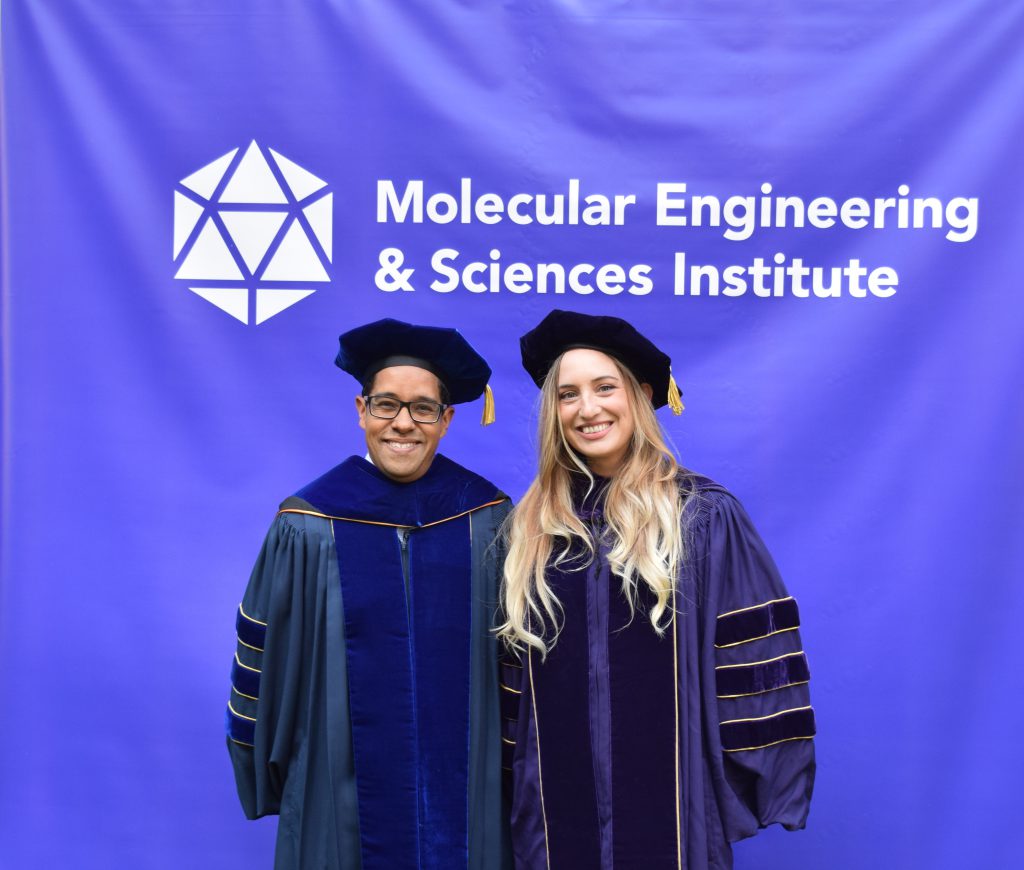
The UW Molecular Engineering Ph.D. program celebrated 12 students who successfully defended their theses during the 2023-2024 academic year on May 31. Faculty, students, and the graduates’ family and friends were in attendance. These MolE Ph.D. graduates conducted interdisciplinary research across eight different departments and organizations.
Extensive blood loss after injuries is life-threatening and must be counteracted as fast as possible. Relatively small volume injections of solutions of a novel star-shaped polymer could compensate for fluid loss without disrupting coagulation.
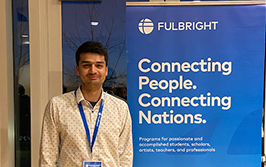
Molecular Engineering graduate student Abdul Moeez came to UW to advance materials for clean energy. Through unique training opportunities in data science and access to state-of-the-art research facilities, he’s developing autonomous systems to accelerate the fight against climate change.
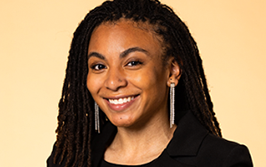
Each year, the Husky 100 recognizes 100 undergraduate and graduate students from the UW Bothell, Seattle and Tacoma campuses in all areas of study who are making the most of their time at the University of Washington.