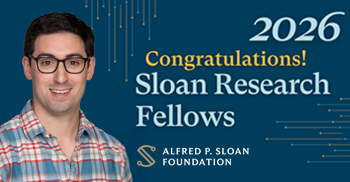
March 3, 2026 | Diana Knight (UW Chemistry)
Matthew Golder has been selected as a 2026 Alfred P. Sloan Research Fellow in Chemistry. These two-year, $75,000 fellowships are awarded yearly to 126 early-career researchers in recognition of distinguished performance and a unique potential to make substantial contributions to their field.
Assistant Professor Matthew Golder’s research program addresses the omnipresent “plastics problems” from two different vantage points. First, the team thinks about new ways to prolong the useful lifetime of commodity materials.
Read More
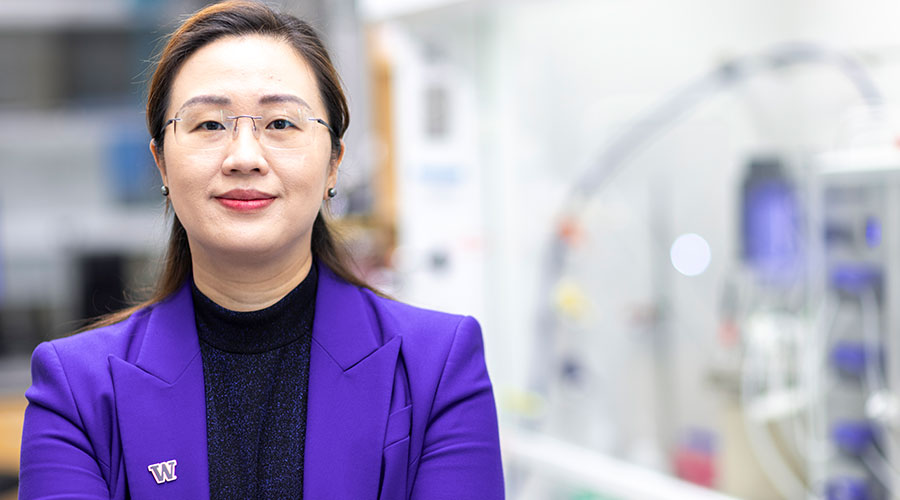
Looking beyond incremental innovations in energy storage technology, Jie Xiao wants to catalyze a robust domestic battery industry — from mining to manufacturing.
Build a better mousetrap, the old saying goes, and the world will beat a path to your door.
Build a better battery… and the multitudes should arrive in an endless stream of autonomous electric vehicles.
Only, it’s not that simple with energy storage.
Most battery innovations begin in academic environments that are designed for discovery rather than the cost, time and scale pressures of industry.
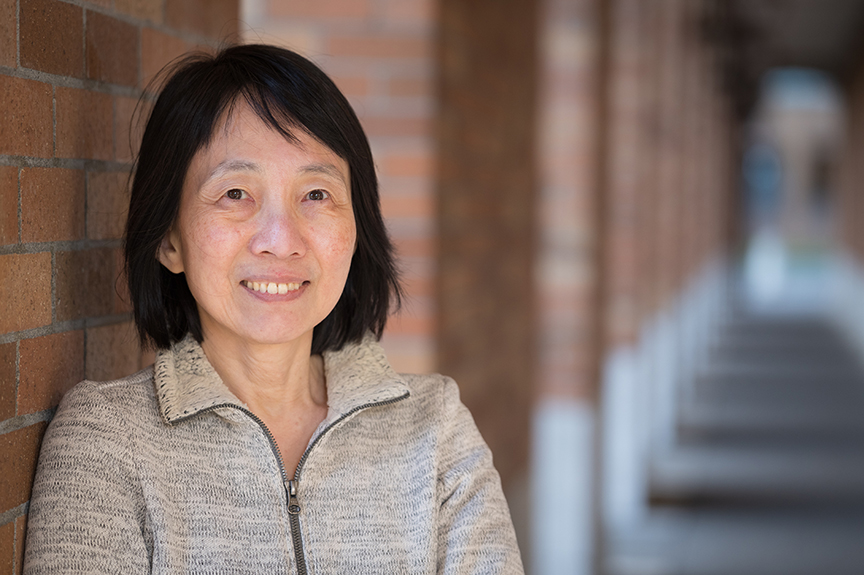
The University of Washington Department of Electrical & Computer Engineering (UW ECE) congratulates Professor Lih-Yuan Lin, who has been elected into the National Academy of Inventors (NAI) 2025 Class of Fellows. This distinction recognizes her outstanding work and lasting impact in nanotechnology, photonics, and optoelectronics — fields that are shaping the future of technology. Lin is one of only 10 UW faculty members to ever receive this honor. She will be formally inducted as an NAI Fellow and presented with a medal by a senior official of the United States Patent and Trademark Office at the NAI 15th Annual Conference on June 4, 2026, in Los Angeles, California.
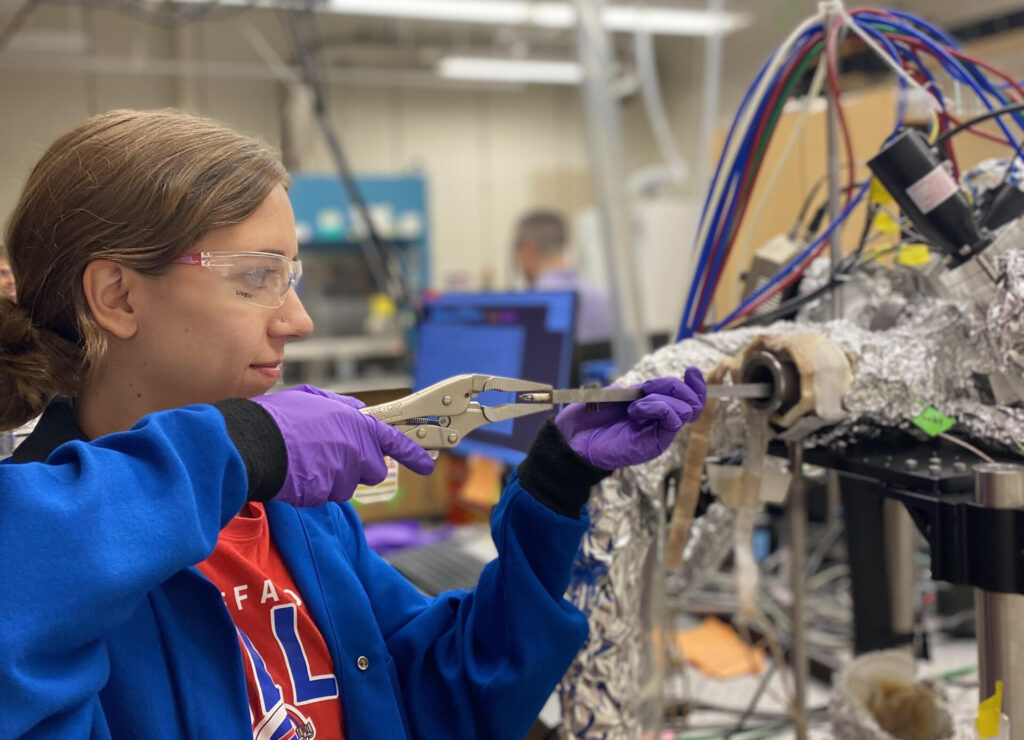
UW Chemical Engineering graduate student Joelle Scott, from the Bergsman Research Group, is working toward a more sustainable and equitable future through advanced materials research, testing new methods to remove toxic forever chemicals and other contaminants from wastewater.
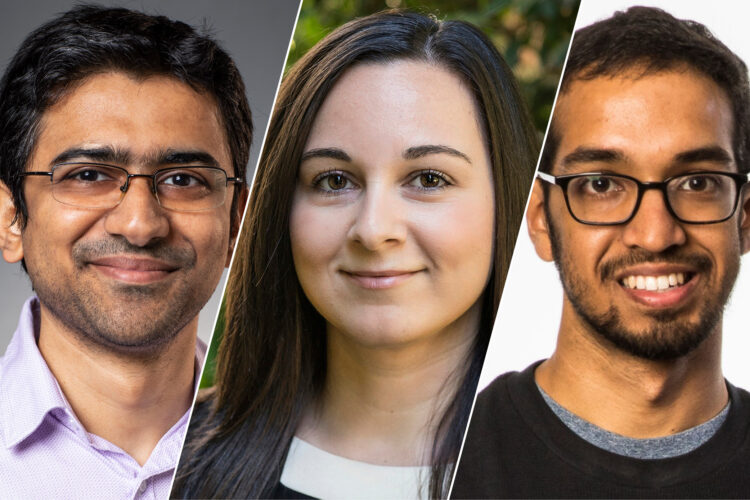
Three UW researchers, including MolES faculty member Eleftheria Roumeli, are exploring ways to make electronics more Earth-friendly.
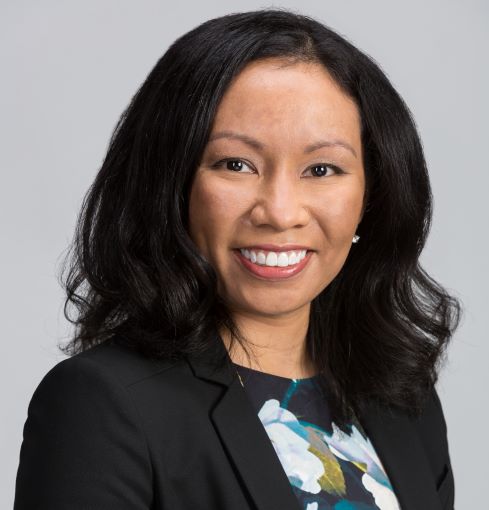
Corie L. Cobb, professor of mechanical engineering and the Washington Research Foundation Innovation Professor in Clean Energy, has been selected as recipient of the prestigious Defense Advanced Research Projects Agency (DARPA) Director's Fellowship Award.
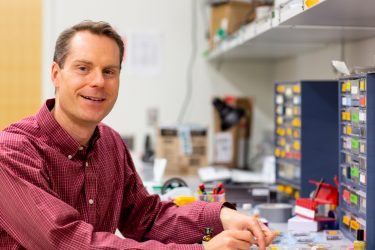
The National Science Foundation has announced it will fund a new endeavor to bring atomic-level precision to the devices and technologies that underpin much of modern life, and will transform fields like information technology in the decades to come. The five-year, $25 million Science and Technology Center grant will found the Center for Integration of Modern Optoelectronic Materials on Demand "” or IMOD "” a collaboration of scientists and engineers at 11 universities led by the University of Washington.
The funding will be used to develop scalable, cell-free platforms that enable the capture and conversion of carbon dioxide into industrial chemicals, providing manufacturers with a cheaper, more efficient and sustainable means of chemical production.
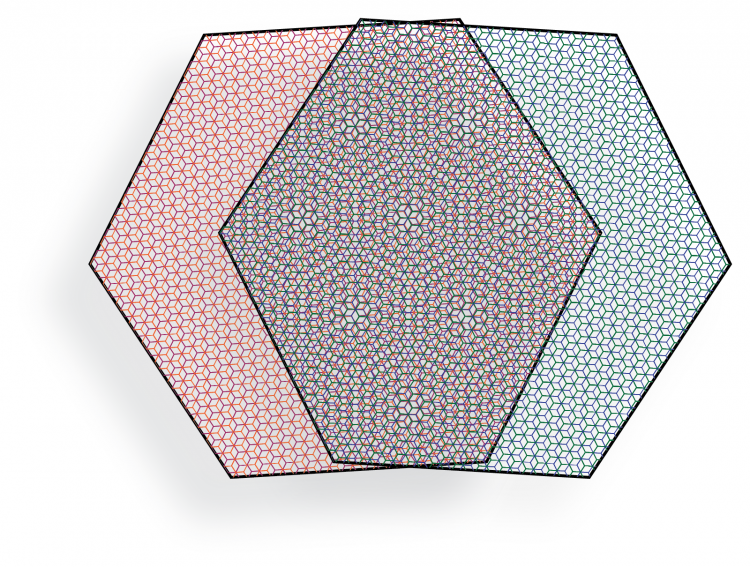
In a paper published Sept. 14 in the journal Nature Physics, a team led by the University of Washington reports that carefully constructed stacks of graphene "” a 2D form of carbon "” can exhibit highly correlated electron properties. The team also found evidence that this type of collective behavior likely relates to the emergence of exotic magnetic states.
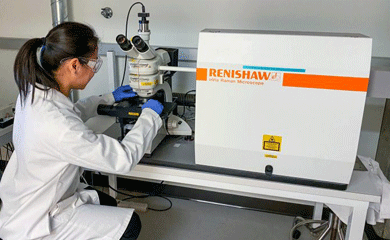
Using advanced instrumentation in the Molecular Analysis Facility, researchers in the lab of MolES faculty member and materials science & engineering professor Christine Luscombe have discovered that Salish Sea oysters may not contain as many microplastic contaminants as previously thought.