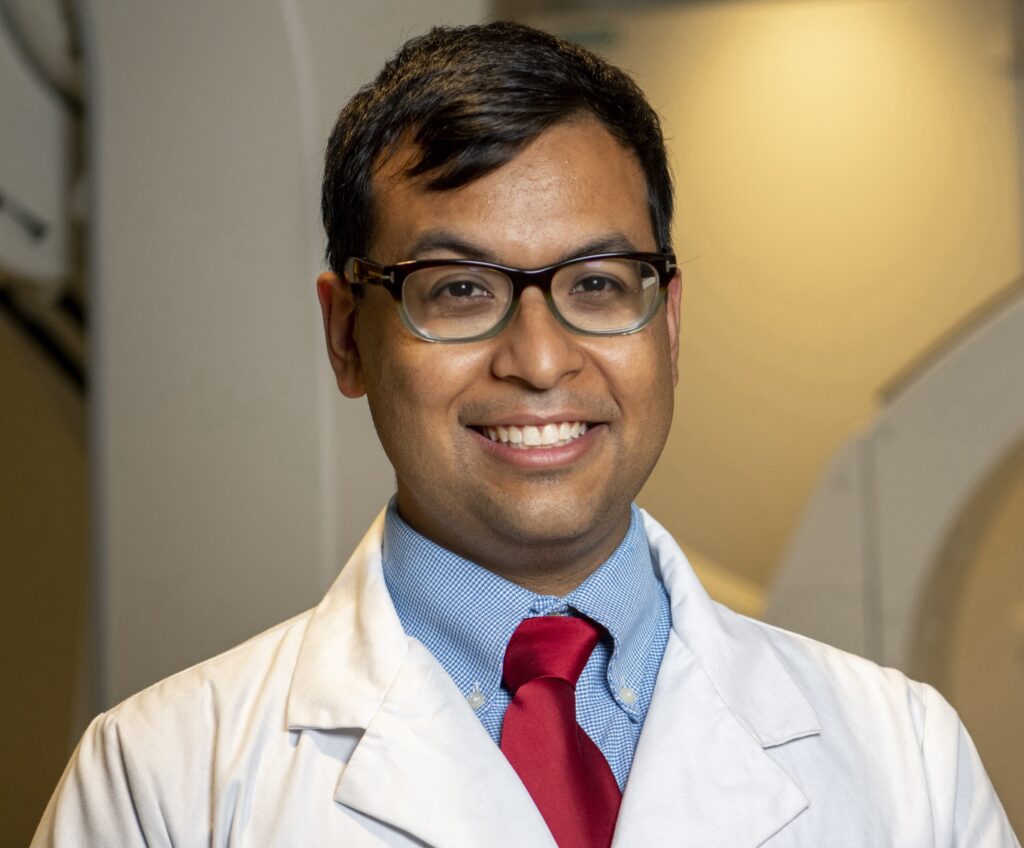
At SAIL, Dr. Som leads the translation of novel material science advances for applications in interventional radiology based on his clinical practice, with a focus on novel cancer therapeutics, tissue engineering, and device development. The goal of the lab is to generate new technologies inspired by the clinic and brought back to treat our patients. Read More
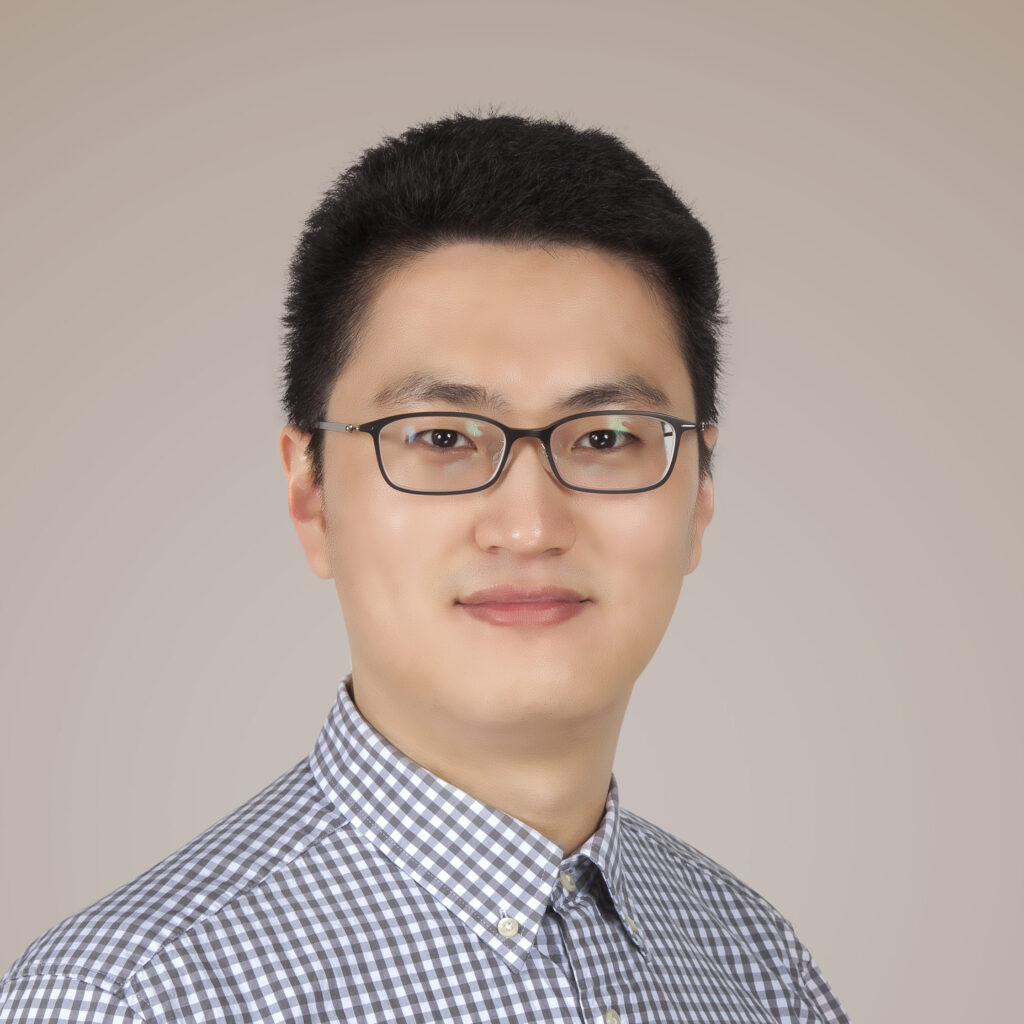
My group focuses on integrating bio-inspired molecules and materials, advanced manufacturing strategies, and computational algorithms into bio-electronic and bio-optical platforms. Our primary goals are to advance minimally-invasive diagnostic and therapeutic methods, as well as to promote pharmaceutical and environmental sustainability. Read More
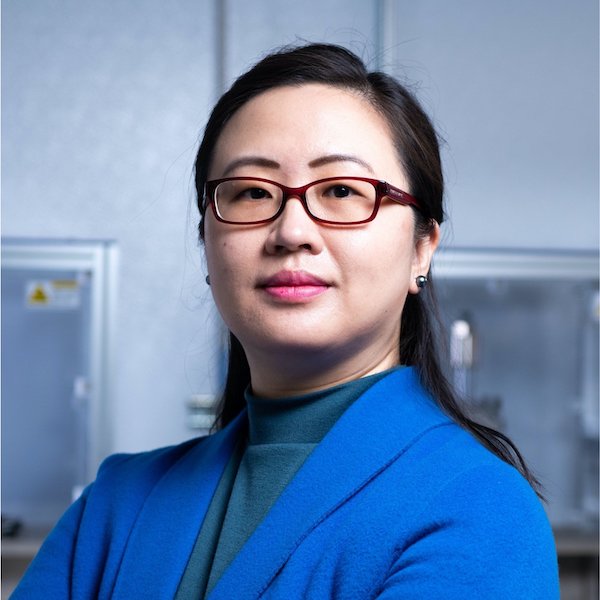
Jie Xiao is the Boeing Martin Professor of Mechanical Engineering and the leader of the Battery Materials & System Group at the Pacific Northwest National Laboratory (PNNL). She is an affiliate professor of materials science & engineering at the University of Washington and is a PNNL-UW Distinguished Faculty Fellow. Dr. Xiao’s research spans from fundamental research, battery materials scaleup and manufacturing, to cell fabrication and engineering for vehicle electrification, sensors, and grid energy storage. She has published more than 100 peer-reviewed journal papers and been named top 1% Clarivate Analytics Highly Cited Researcher since 2017. Read More
Our lab’s work is centered around the development of new materials, device structures and integrated processes that enable more sustainable, lower carbon footprint, additive manufacturing pathways to optoelectronics, energy and biosensors. This includes techniques ranging form the world’s highest resolution inkjet printing systems for photonics, quantum materials and flexible electronics to scalable roll-to-roll (R2R) processing energy storage, sensing, and integrated systems. Key to these approaches is the development of solution-processable highly materials such as nanoscale emitters, conductors and semiconductors as well as molecular probes and functionalizations that enable the processing techniques and required optical, electronic and electrochemical performance. Read More
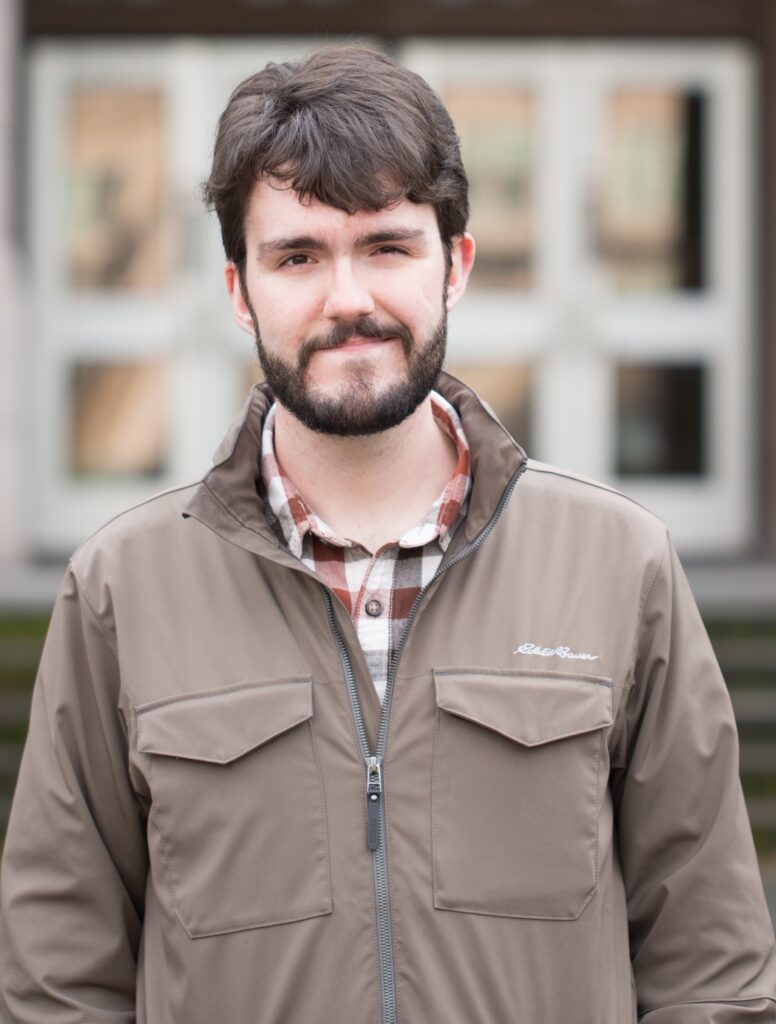
As a graduate student in the lab of materials science and engineering professor Alex Jen, Dion worked on designing and testing new types of electrolyte materials for lithium-sulfur (Li-S) batteries. This type of battery could potentially be made twice as light as a lithium-ion cell, using cheap, earth-abundant materials; however, Li-S batteries are not currently commercially viable because they tend to die after only a few recharge cycles. This work could lead to better batteries for electric vehicles, as well as other applications where low weight is critical. Read More

Hao is a Ph.D. student in the lab of materials science & engineering professor Bruce Hinds, where he is developing photocatalytic materials that facilitate more efficient chemical reactions for use in solar cells and other photovoltaic devices as well as biomedical devices. He is part of a collaboration with UW Medicine’s Center for Dialysis Innovation (CDI), which seeks to improve the health and well-being of people with advanced kidney disease initiating and receiving dialysis treatment. Hao holds a M.S. in Materials Science and Engineering (MSE) from the University of Washington and a B.S. Read More
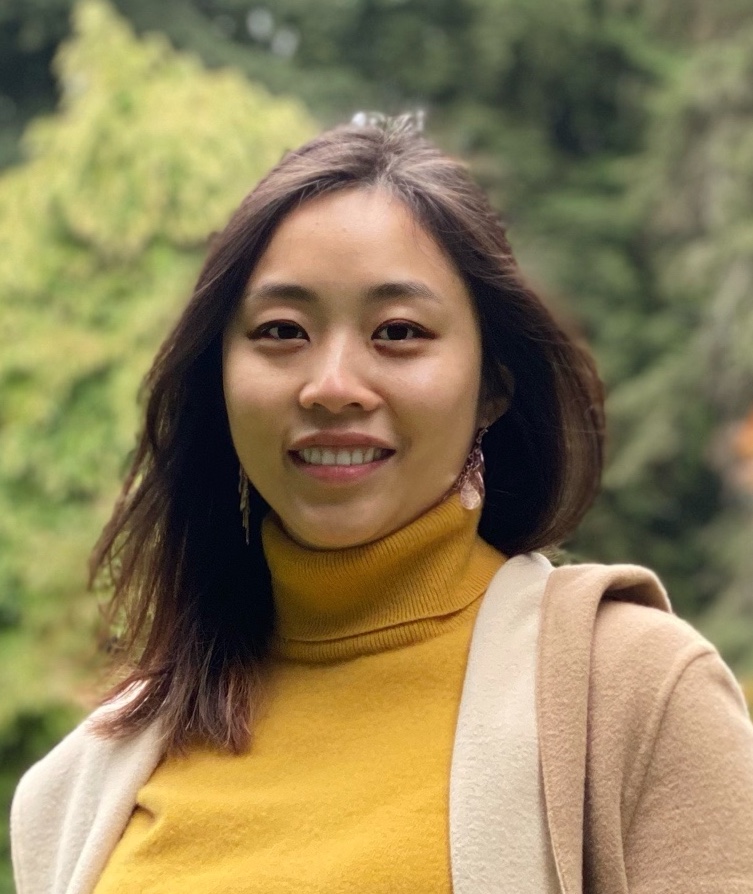
As a graduate student in the lab of materials science & engineering professor Christine Luscombe, Liwen developed a new and greener method to synthesize materials for organic photovoltaics (OPVs). OPVs have drawn lots of attention due to their flexibility, light weight, high charge mobility, and solvent processability. She developed a synthetic method called cross dehydrogenative coupling (CDC) polymerization, which can eliminate the pre-functionalization steps of monomers, thus lowering the cost of the resultant OPV materials and minimizing the generation of hazardous chemical wastes. Read More
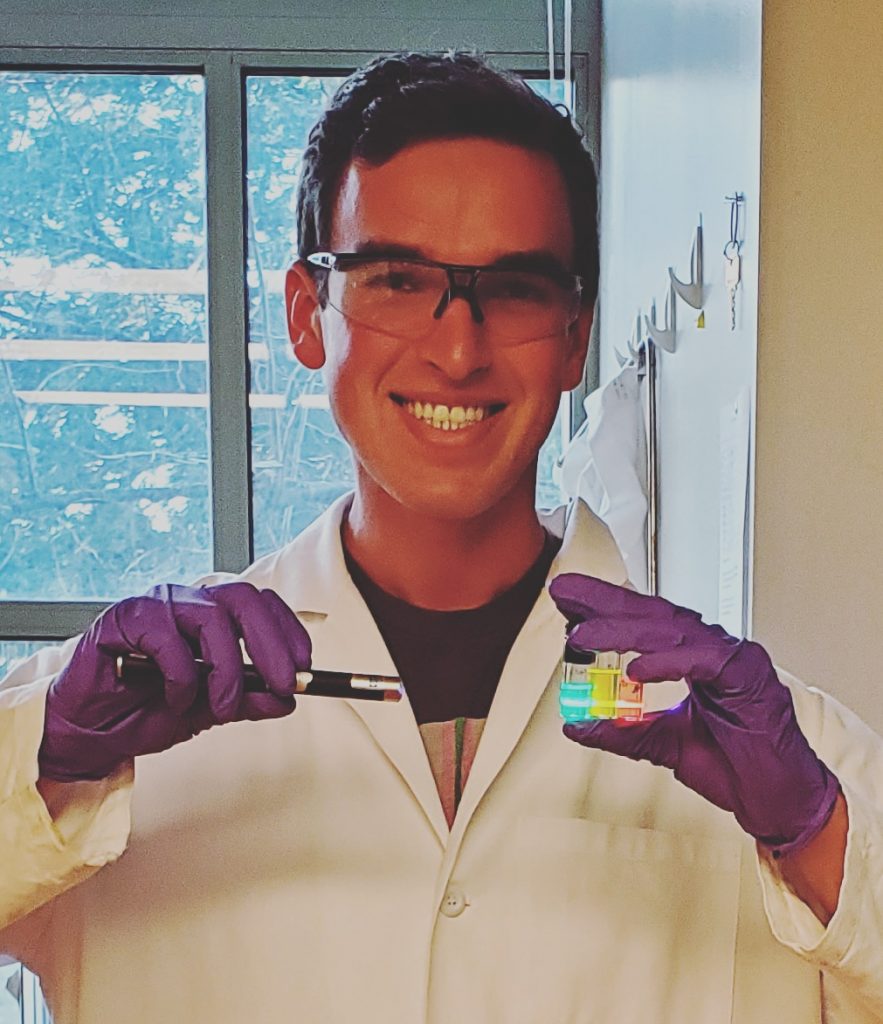
Ted worked under Professors Daniel Gamelin, Christine Luscombe, and Devin MacKenzie. He leveraged the expertise of his three advisers to produce a broad array of research investigating perovskite nanocrystals for luminescent solar concentrators, polymer composites, and additive manufacturing. While there, he earned a UW Clean Energy Institute Fellowship and participated in the Torrance Technology Due Diligence Fellowship Program, where he provided technical assessments of early stage companies for clean energy investors at E8 Angels. Ted is currently a postdoctoral fellow in the MacKenzie lab, where he is developing methods of scalable quantum optical device manufacturing. Read More
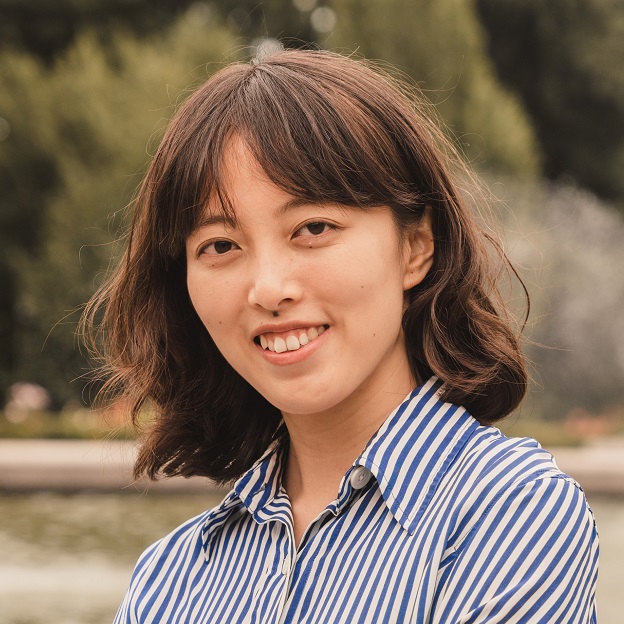
As a graduate student in the lab of Materials Science and Engineering professor Peter Pauzauskie, Xiaojing studied lanthanide-doped fluoride and semiconductor materials for solid-state laser cooling. More specifically, she developed new laser cooling nanoparticles and designed a self-cooling high-power fiber laser using these materials. After completing her Ph.D. in 2022, Xiaojing joined Dr. Emory Chan’s team at Lawrence Berkeley National Laboratory as a postdoc scholar. Xiaojing’s current research interest is experiment automation. She is working on AI-accelerated high-throughput synthesis and characterization of upconverting nanoparticles. Read More
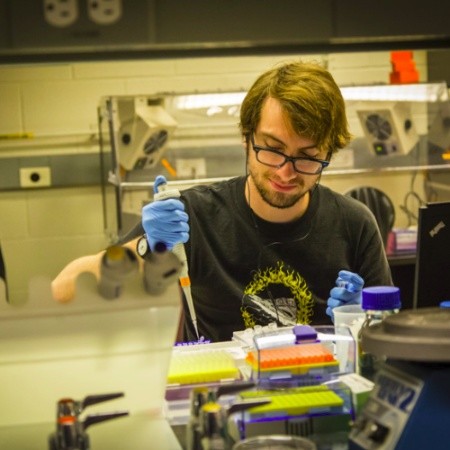
As a graduate student in the labs of Professors Rene Overney and Mehmet Sarikaya, Tyler studied the fundamental molecular interactions between protein-like molecules and atomically thin inorganic materials to enable future technologies such as medical diagnostics. More specifically, he utilized scanning probe microscopy techniques to understand the self-assembly process and energetics of genetically engineered solid-binding peptides on single layer atomic materials. Since completing his Ph.D. in 2020, Tyler joined Professor Stuart Rowan’s lab at the University of Chicago’s Molecular Engineering department as a postdoctoral scholar. Read More