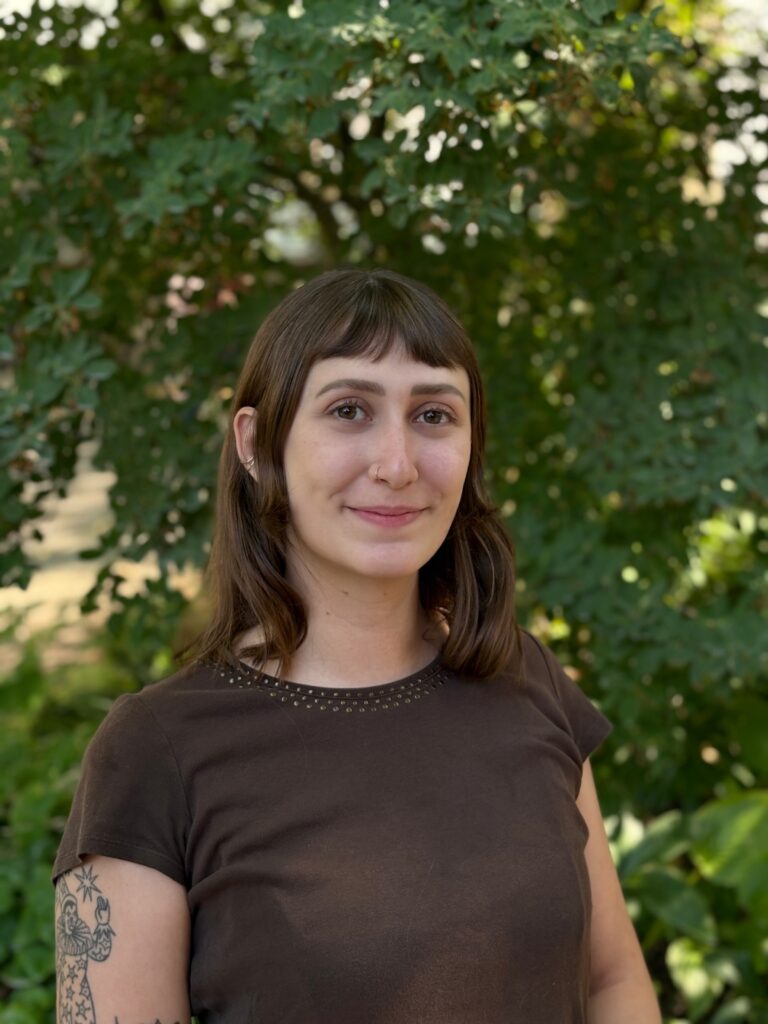
Elena is interested in advancing the national energy landscape. Her work has spanned the development of materials for Li-ion batteries to data-driven approaches for improving battery maintenance in public transportation. She has also worked on novel heterogeneous catalysts for converting greenhouse gases into renewable fuels. She has her B.S. in Chemistry from the University of New Orleans and an M.S. in Chemical Engineering from UW.
Read More
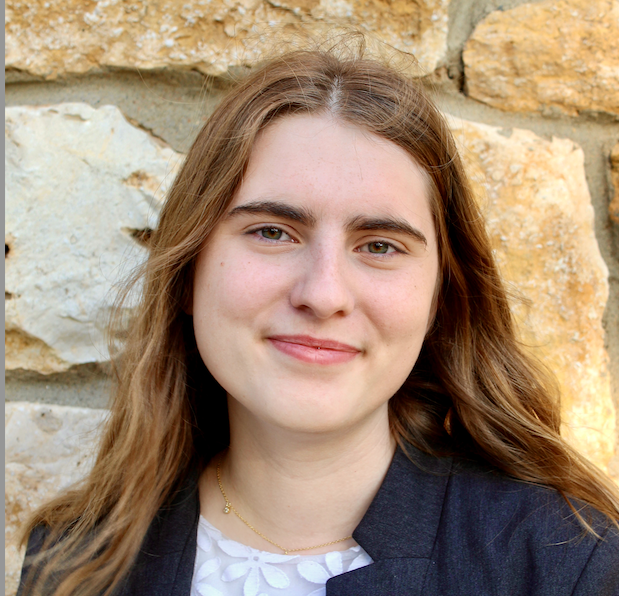
Madelyn is interested in utilizing biomaterials and synthetic biology for drug delivery and therapeutic applications. As an undergraduate at the University of Kansas, she researched the impact of vape additives on the viscoelastic properties of model lung surfactants in Dr. Dhar’s lab. She has her B.S. in Chemical Engineering and is a College of Engineering Dean’s Fellow. Read More
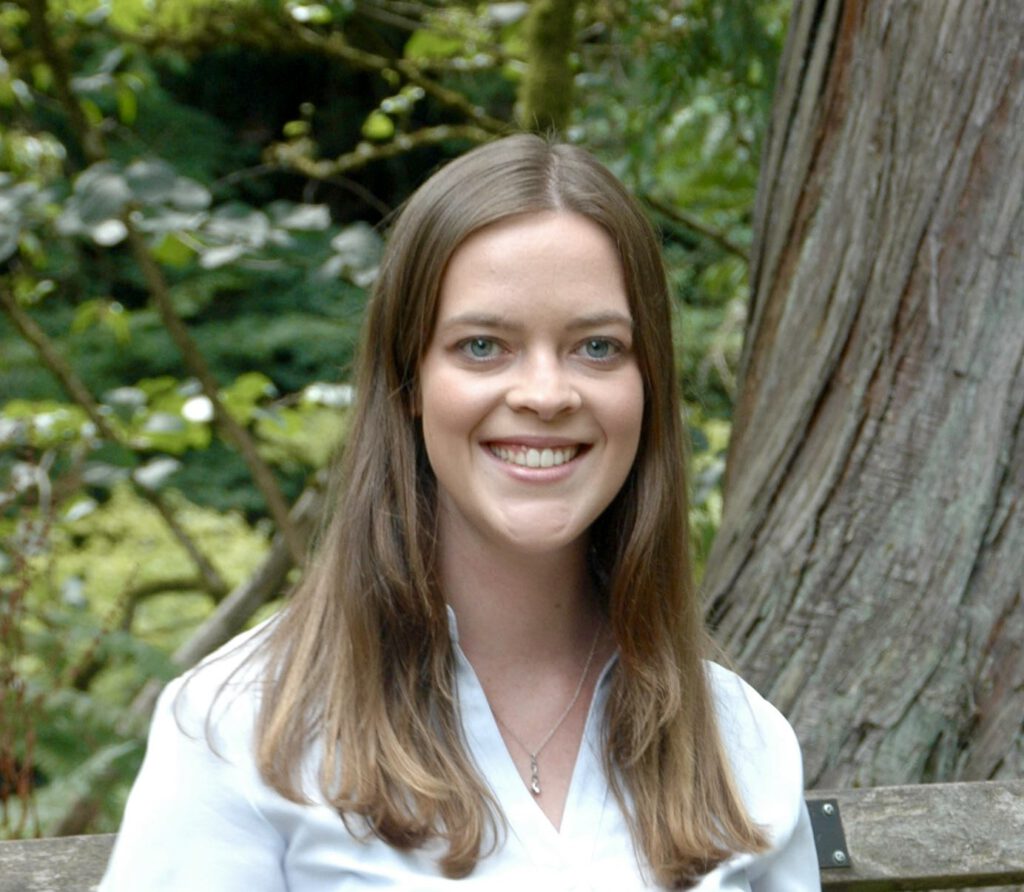
Anika is interested in working with proteins and using the newest developments in machine learning algorithms to accelerate discoveries in this field. She is interested in synthetic biology, protein engineering, and collaborating across disciplines to develop novel solutions that address pressing challenges in healthcare and sustainability. She conducted research as an undergran on enhancing protein crystal stability through rational design and introducing disulfide bridges. She has a BS in Chemical and Biological Engineering and a BS in Biomedical Engineering. Read More
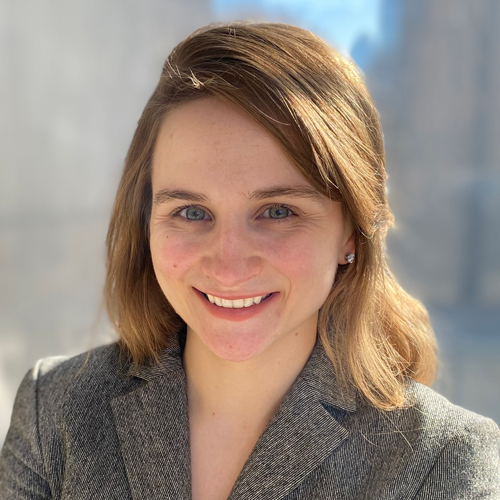
The Rorrer Lab leverages tunable heterogeneous catalytic systems to enable sustainable chemical transformations including the chemical upcycling of waste plastics, and catalytic upgrading of biomass- derived platform molecules. By developing targeted active catalytic sites to enable new chemical transformations and leveraging advanced characterization techniques, we aim to advance the field of renewable and sustainable chemical production, shifting away from fossil fuel consumption and mitigating the detrimental environmental effects of waste plastics. Read More
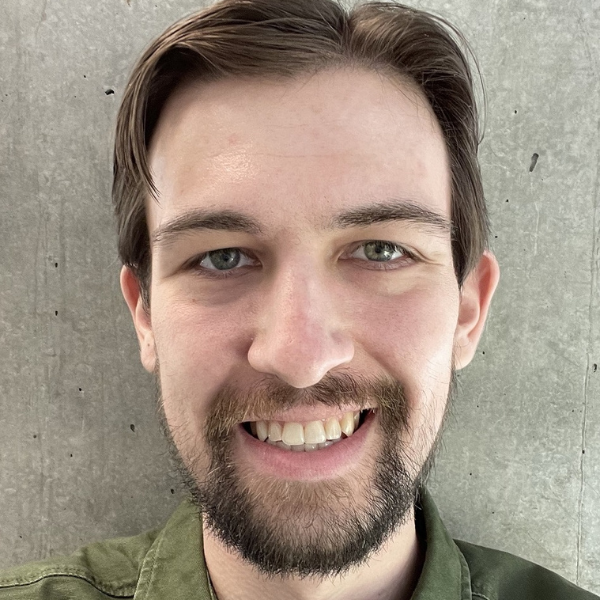
Stephen is interested in using single-cell transcriptomics to characterize synthetic biology systems. During his undergraduate years, he contributed to characterizing initiation factors in the non-canonical translation initiation process (RAN) linked to repeat-expansion disorders. Following graduation, he engaged in gene editing at 2seventy bio. He holds a B.S. in chemical engineering from the University of Michigan. Read More
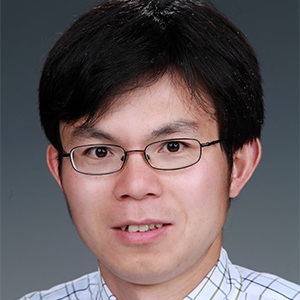
The main research interests in the Chen Group focus on understanding principles that govern behavior of sequence-defined peptoids with a particular emphasis on (1) self-assembly of peptoids into functional materials with hierarchical structures, such as biomimetic nanomembranes, crystalline nanotubes and biomimetic hydrogels, and (2) biomimetic control of inorganic crystallization, for example, peptoid-controlled formation of metal oxide and plasmonic nanoparticles and their self-assembly. The Chen Group also works on transferring the peptoid-based biomimetic materials into innovative applications that impact energy technologies and biological research, such as biomimetic catalysis, water separation, molecular sensing, biological imaging, and drug delivery. Read More
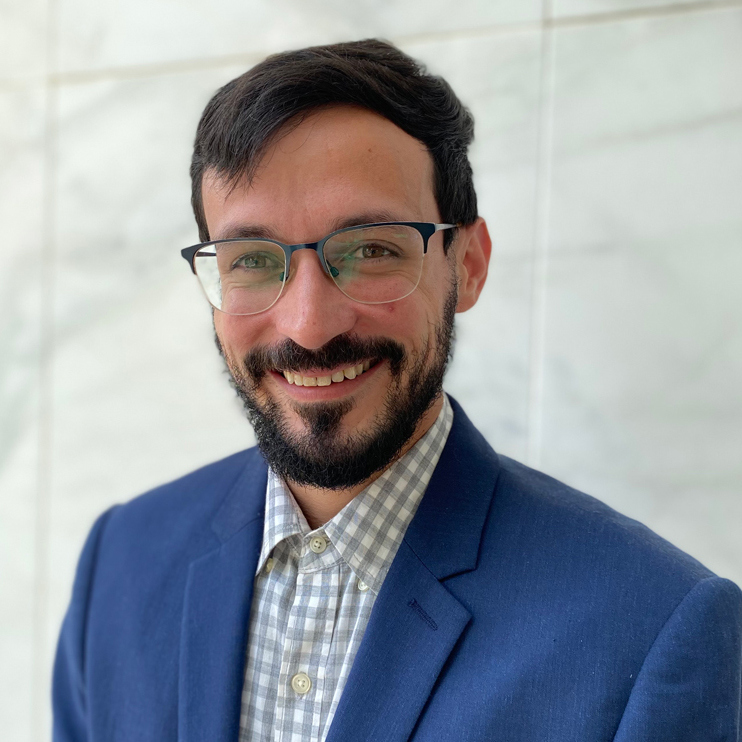
The Marchand Lab aims to utilize fundamental approaches in synthetic biology, chemical biology, biosynthesis, and biomolecular engineering for reprogramming life at the nucleic acid level. The goal is to extend the nucleotide building blocks available in living systems for biosynthesis, and to use newly expanded metabolism for producing nucleic acids with emergent, programmable function. Our group currently focuses on xenonucleic acids with nucleobases that basepair orthogonally to the canonical genetic code (i.e. ATGC+XYWZ). These xenonucleic acids are all synthetic in source. Read More
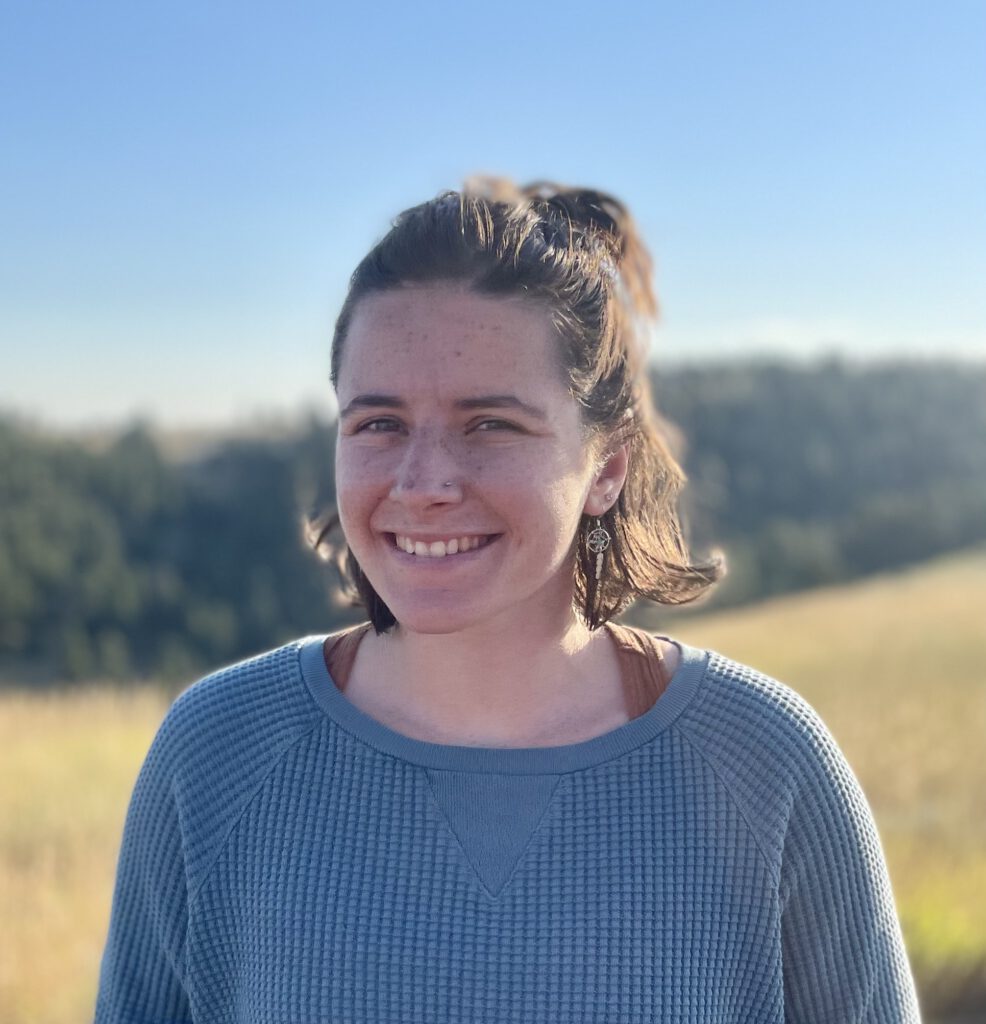
Jointly advised in the Carothers and Zalatan lab, Kira is developing tools for gene activation, inhibition, and base editing in bacteria. She is applying this work in metabolic engineering to rewire bacteria for bioproduction. She holds a B.S. in Bioinformatics from Wheaton College (MA) and previously worked as a computational biologist in cancer immunology at the Broad Institute. Read More

Abdul Moeez is working in the Pozzo Research Group and focuses on the development of high-throughput workflows for molecular engineering of materials by leveraging Small Angle X-Ray Scattering (SAXS). The research will enable structural optimization for different classes of materials including lipid nanoparticles, quantum dots, photovoltaic materials to achieve desired properties. Abdul Moeez is one of the Clean Energy Institute Fellows for 2023-2024. He is a Fulbright and Global UGRAD alumnus. He holds a MS in Materials Science and Engineering (MS&E) from University of Washington and BS in MS&E from the Institute of Space Technology, Pakistan Read More
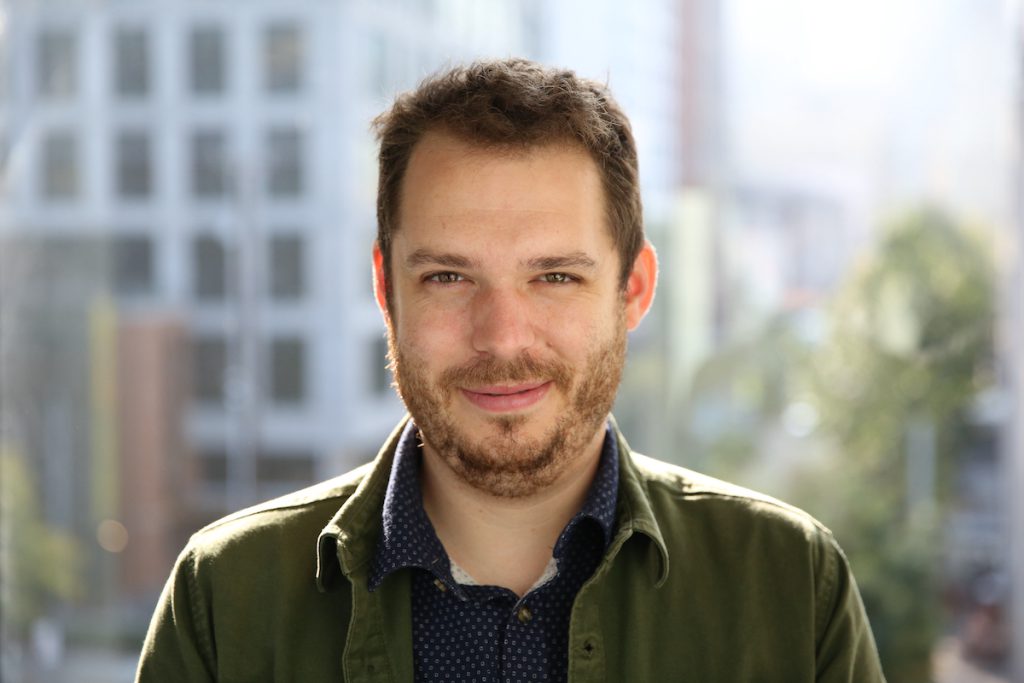
As a student in the Carothers lab, Brian is developing tools and uncovering design rules for metabolic engineering in non-model bacteria. Brian is interested in leveraging this research to help address ecological issues ranging from chemical production to water pollution. Brian holds a B.S. in Biochemistry and Ecology, Evolution, and Conservation Biology from North Carolina State University. Read More