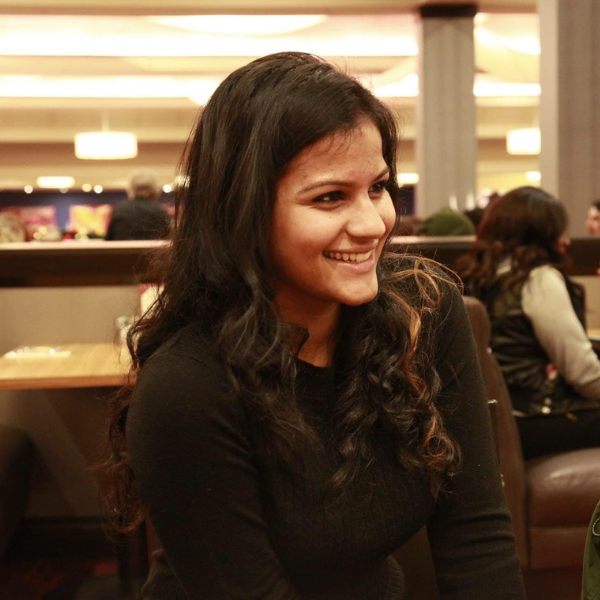
Riti is a bioengineering graduate from the University of Washington, is focused on utilizing computational protein engineering to accelerate bottlenecks in therapeutic biologics research. During her time as an undergraduate, she developed small tool proteins using Rosetta. She later contributed to protein engineering at Amgen by analyzing antibody protein structures and interfaces using computational tools like Rosetta, aiding research choices. Read More
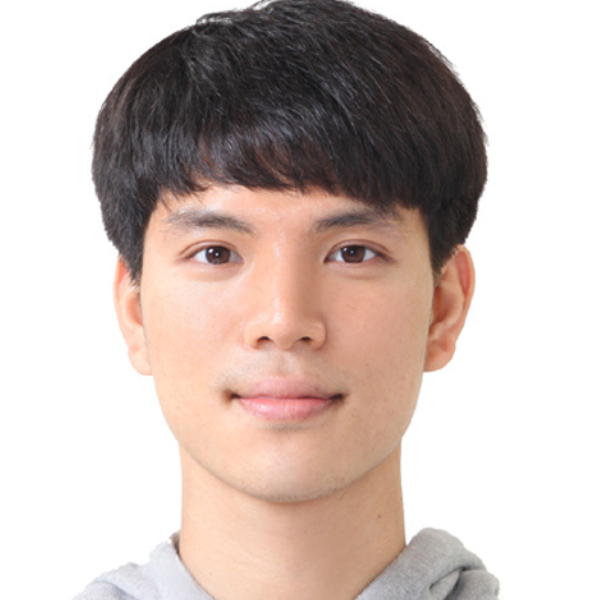
Jihun explores sequence-structure-activity relationships in proteins and applies computational methods to biocatalyst design and protein-based drug development. Formerly, he employed bioinformatics and deep learning for multi-omics and drug target discovery. He holds a B.S. and M.S. in life science from Gwangju Institute of Science and Technology, South Korea. Read More
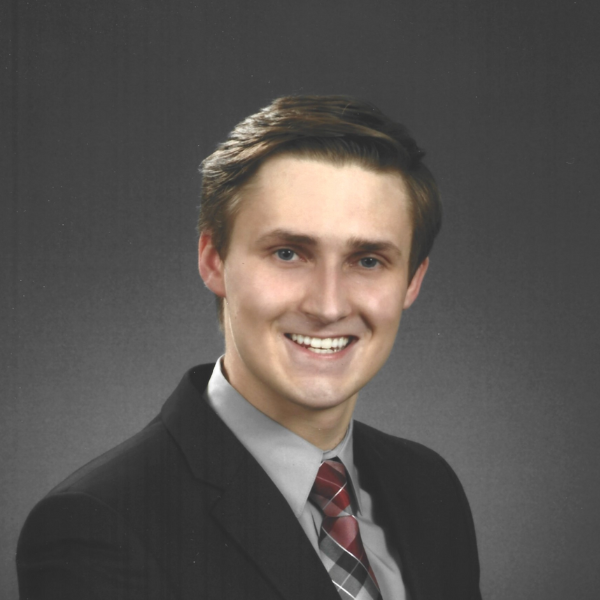
Andrew’s focus is on utilizing deep learning and generative models to create novel proteins, including enzymes for plastic degradation, molecular sensors and mechanical proteins. During his undergraduate studies, he explored the use of ultrasound images for polymerization monitoring and developed software to control lab photoreactors. He also conducted image analysis on the collected data. He holds a B.S. in chemistry and computer science from Carnegie Mellon University. Read More
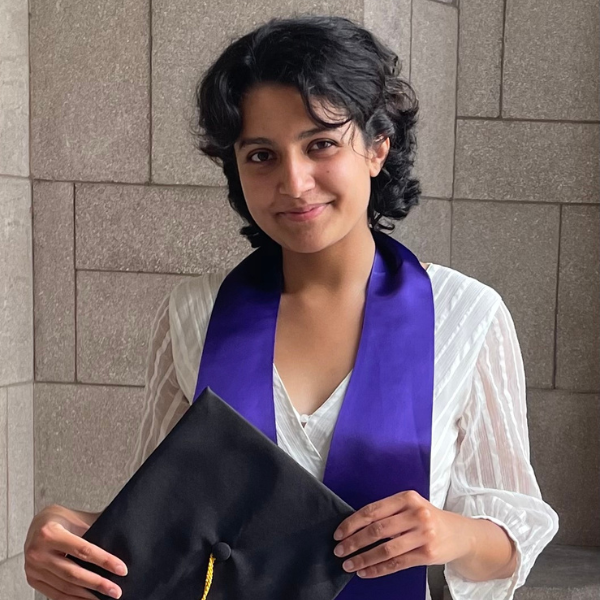
Annika focuses on developing environmentally friendly polymers from renewable sources and creating custom-designed proteins for eco-friendly purposes like sustainable nanocomposite materials and bioplastics synthesis. During her undergraduate studies, she specialized in designing novel proteins that alter oligomeric states upon peptide binding. She also contributed to the structural analysis of these proteins using nsEM and cryoEM techniques. Philomin holds a B.S. in biochemistry from the UW Read More
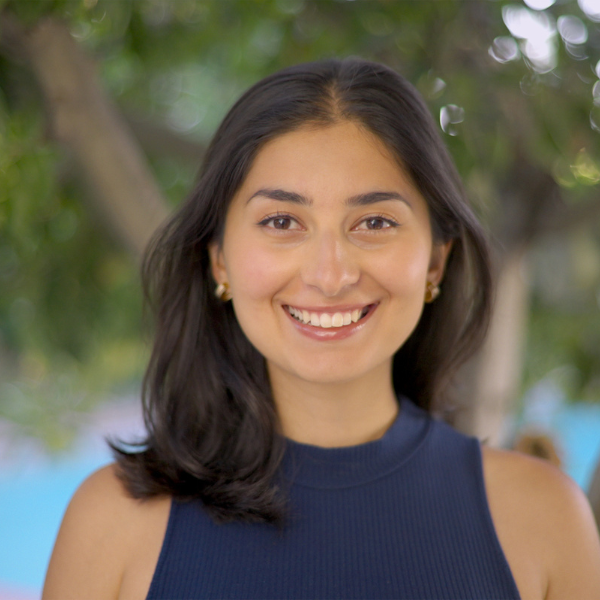
Enisha aims to use synthetic biology and protein engineering for a sustainable future. With a passion for collaborative molecular engineering, she looks forward to addressing sustainability challenges through innovative projects at UW. During her undergraduate years, she led structural biology research in her lab, pioneering cryo-EM sample preparation protocols and obtaining novel ribosome complex maps. Sehgal, a recipient of the NSF Graduate Research Fellowship, holds a B.S. in molecular, cell and developmental biology from the University of California, Santa Cruz. Read More
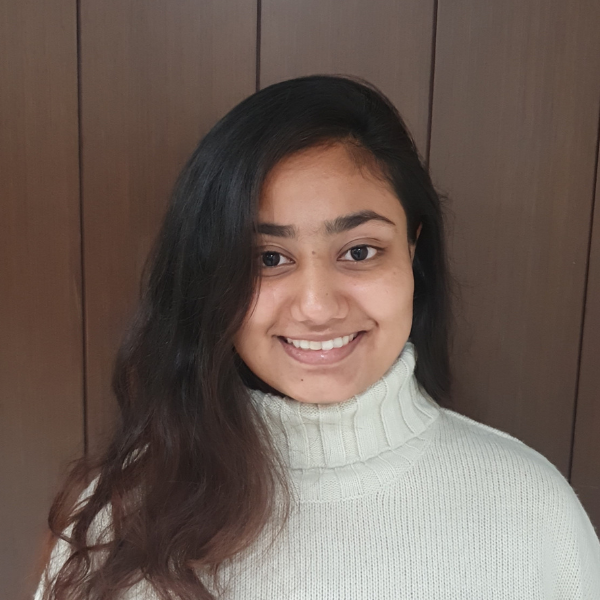
Ria is focused on cell-free CO2 bioconversion, innovative drug delivery and molecular diagnostics for infectious diseases. Her experience includes yeast evolutionary genomics and creating an HIV drug resistance diagnosis algorithm. She holds a B.S. in biochemical engineering and biotechnology, along with an M.S. in biotechnology from the Indian Institute of Technology (Banaras Hindu University), Varanasi. Read More
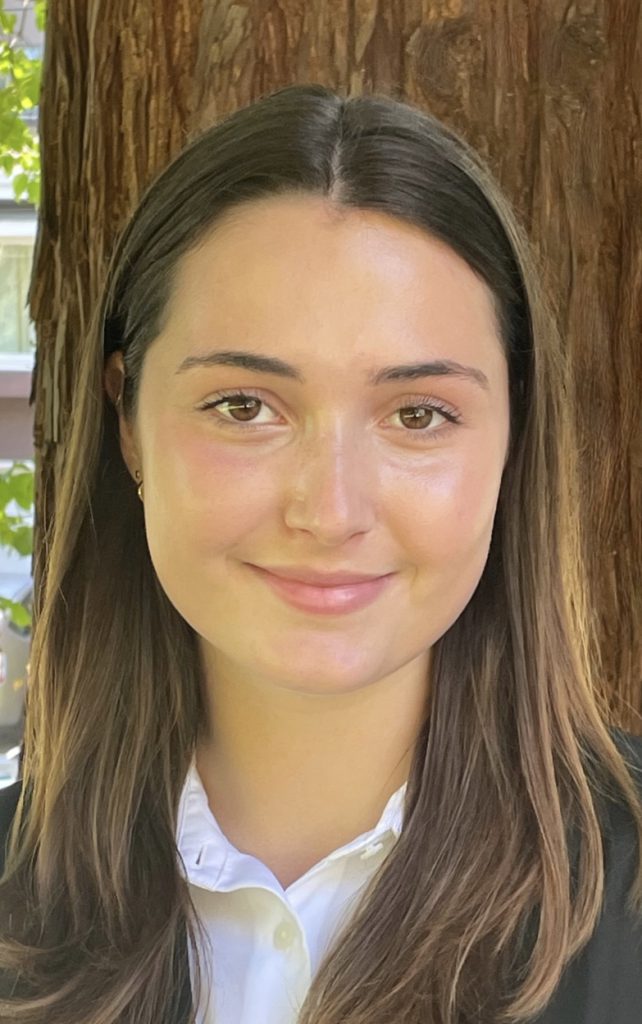
Roni’s focus lies in drug delivery systems and immunoengineering. During her undergraduate studies, she concentrated on SARS-CoV-2 and Influenza A Virus research. More recently, she contributed to the development of virus-like particles mimicking IAV for targeted genetic therapy delivery to challenging cells. Acknowledging her achievements, Weissman was awarded the MolE Director’s Fellowship. She holds a B.S. in bioengineering from UC Berkeley. Read More
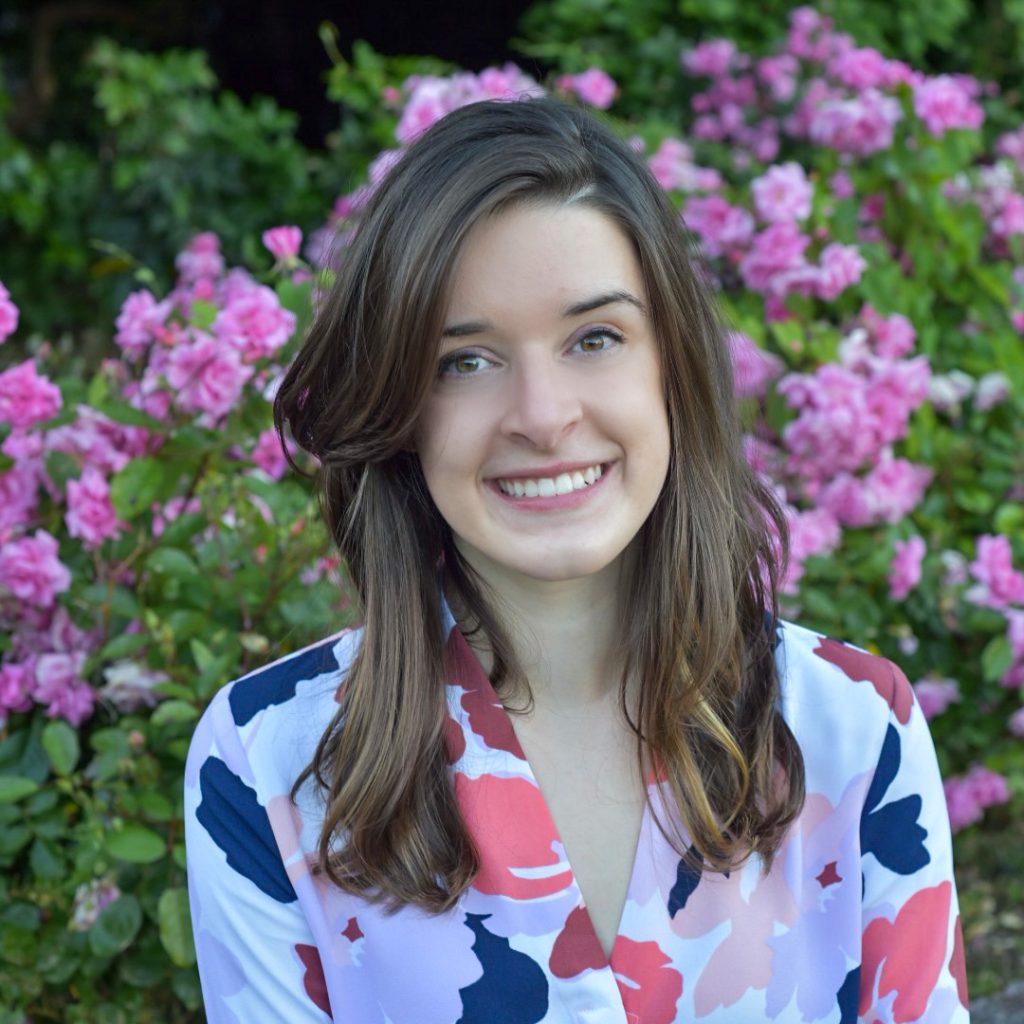
Christina is a graduate student in David Bakerss lab at the Institute for Protein Design as well as a trainee in the University of Washington’s Medical Scientist Training Program. She aims to use computational methods to design new therapeutics that will more precisely modulate the immune system. Christina holds a B.S. in Biology and an M.S. in Biomedical Informatics from Stanford University. Read More
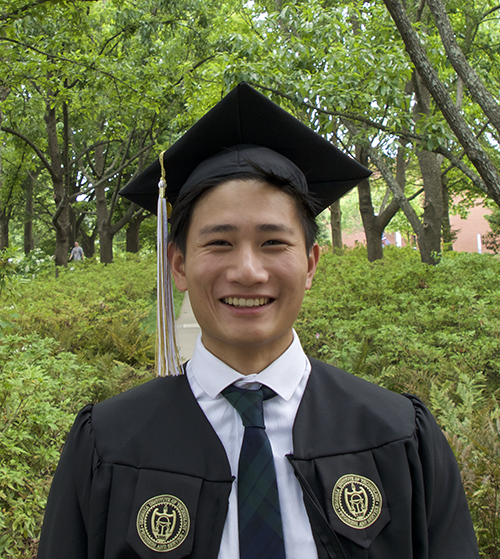
As a graduate student in Dr. Frank DiMaio’s lab, Davi is developing machine-learning methods for modeling proteins and their interactions with other molecules. This research will enable new ways of analyzing and designing biomolecules. He holds a B.Sc in Computer Science with a Minor in Biochemistry from Georgia Tech. He was awarded the UW’s College of Engineering Dean’s Fellowship. Read More
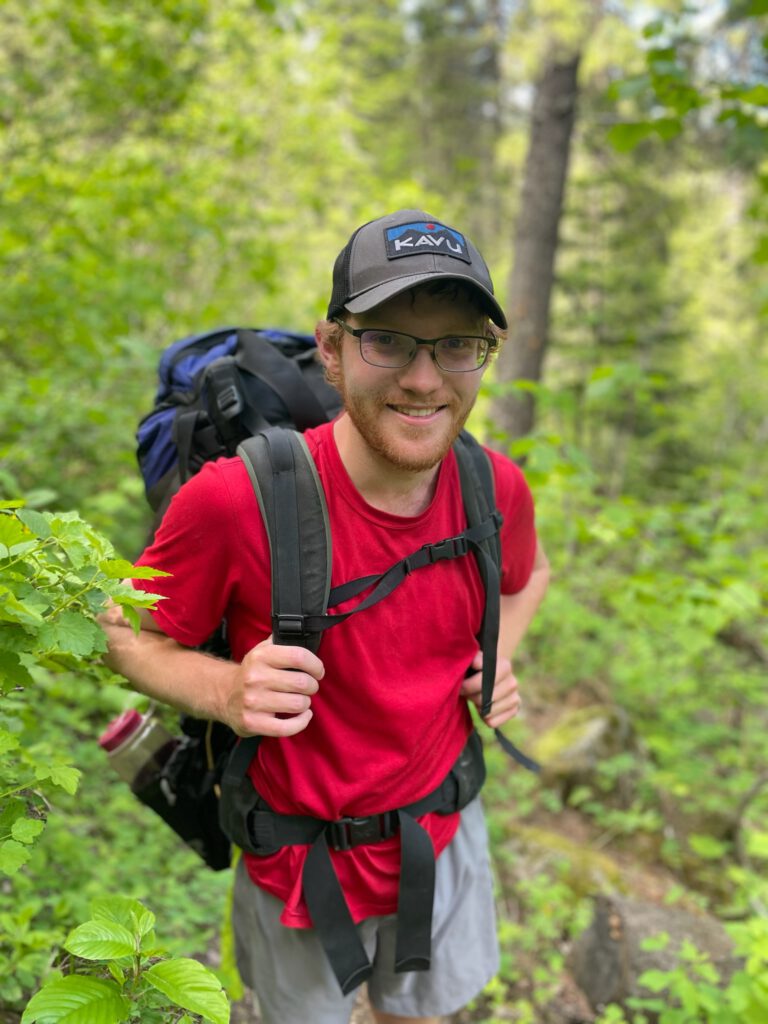
Peik is a graduate student in David Baker’s lab, where he is designing novel proteins for light-driven catalysis and electron transport in artificial photosynthetic systems. This research could enable them to harness light energy to produce fuels, fix CO2, and synthesize other chemical products. He holds a B.S in Molecular Biology and Biotechnology from the University of Idaho. Read More