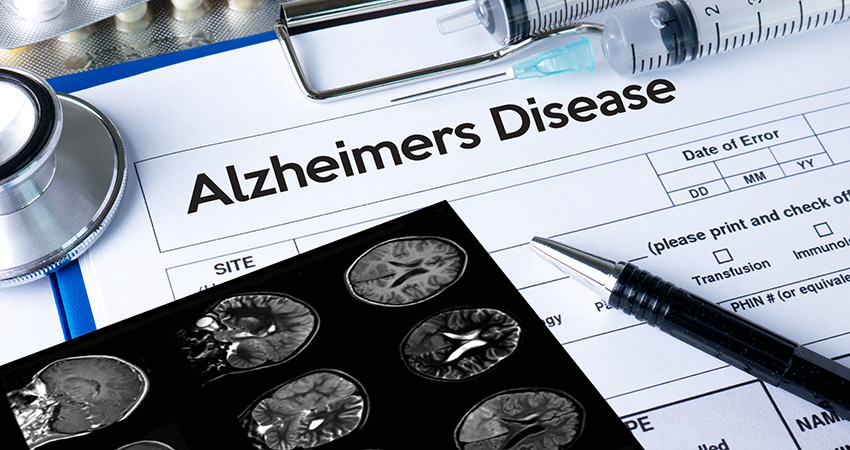
Bioengineering startup AltPep advances technology for the early detection and treatment of Alzheimer's and other amyloid diseases.
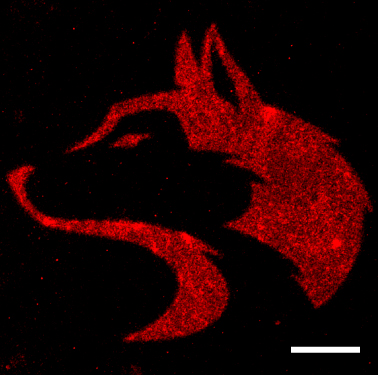
MolES faculty member Cole DeForest and colleagues have developed a technique to modify naturally occurring biological polymers with protein-based biochemical messages that affect cell behavior. Their approach, published in the Proceedings of the National Academy of Sciences, uses a near-infrared laser to trigger chemical adhesion of protein messages to a scaffold made from biological polymers such as collagen, a connective tissue found throughout our bodies.
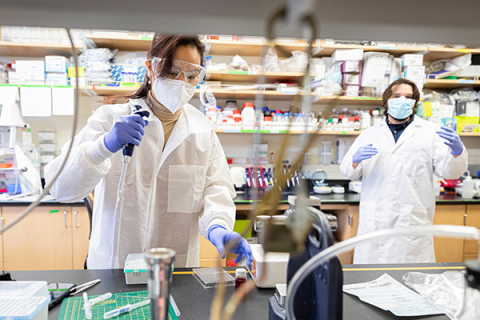
MolES faculty members Barry Lutz and Paul Yager pivoted their diagnostics research to support the need for COVID-19 testing.
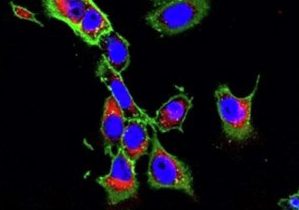
A University of Washington team led by Miqin Zhang, a MolES faculty member and professor of materials science and engineering, has developed a nanoparticle-based drug delivery system that can ferry a potent anti-cancer drug through the bloodstream safely. Their nanoparticle is derived from chitin, a natural and organic polymer that, among other things, makes up the outer shells of shrimp.
Advances in synthetic biology and biomaterials are opening up exciting prospects for the distributed manufacturing of drugs, food products, and other commodities.
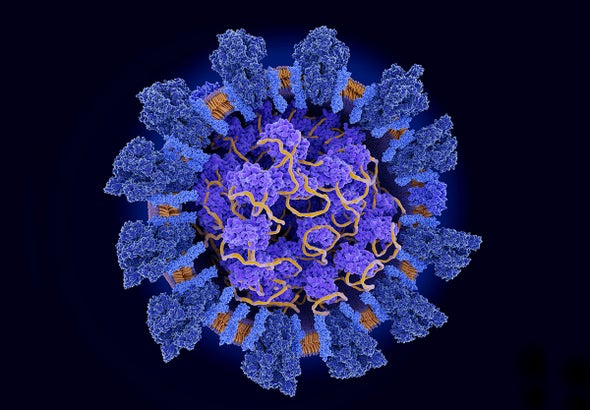
Researchers at the Institute for Protein Design are developing synthetic peptides that mimic human antibodies for COVID-19 which could be cheaper and easier to produce.
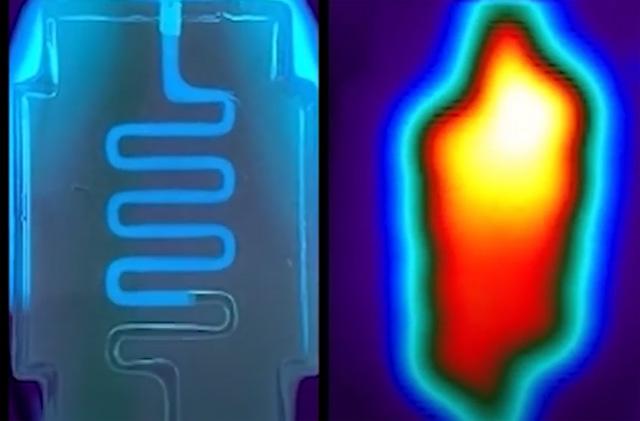
Bioengineering professor Kelly Stevens and colleagues created a new tool to control gene expression in 3D-printed genetically-engineering cells using heat.
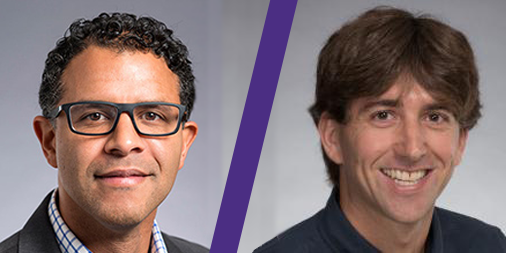
James Carothers, Dan Evans Career Development Associate Professor of Chemical Engineering, and Jesse Zalatan, Assistant Professor of Chemistry, have been awarded a National Science Foundation EAGER grant to develop a new type of SARS-Cov-2 antibody test. Carothers and Zalatan will receive $300,000 over a one-year period from funds made available through the Coronavirus Aid, Relief, and Economic Security (CARES) Act.
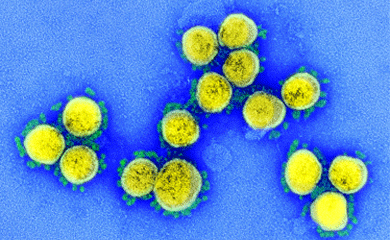
At the onset of the #COVID-19 pandemic, MolES faculty member Paul Yager, a UW professor of bioengineering, knew a rapid and accurate test would be needed to screen patients for the new coronavirus. He immediately set to work adapting his point-of-care testing research to developing an at-home test for the new virus.
Read more about how the Yager lab is developing easy, fast and accurate COVID-19 tests to be used at home and in the clinic.
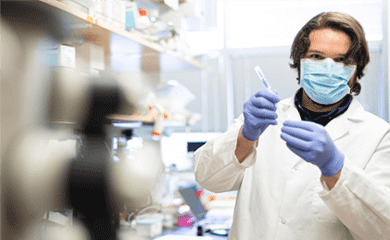
MolES faculty member and bioengineering professor Barry Lutz, in partnership with Dr. Matthew Thompson, a UW professor of family medicine and global health, is pioneering at home test kits for the Seattle Coronavirus Assessment Network to respond to the COVID-19 pandemic.
Read more about how the Lutz lab is developing new ways to rapidly test for COVID-19.